





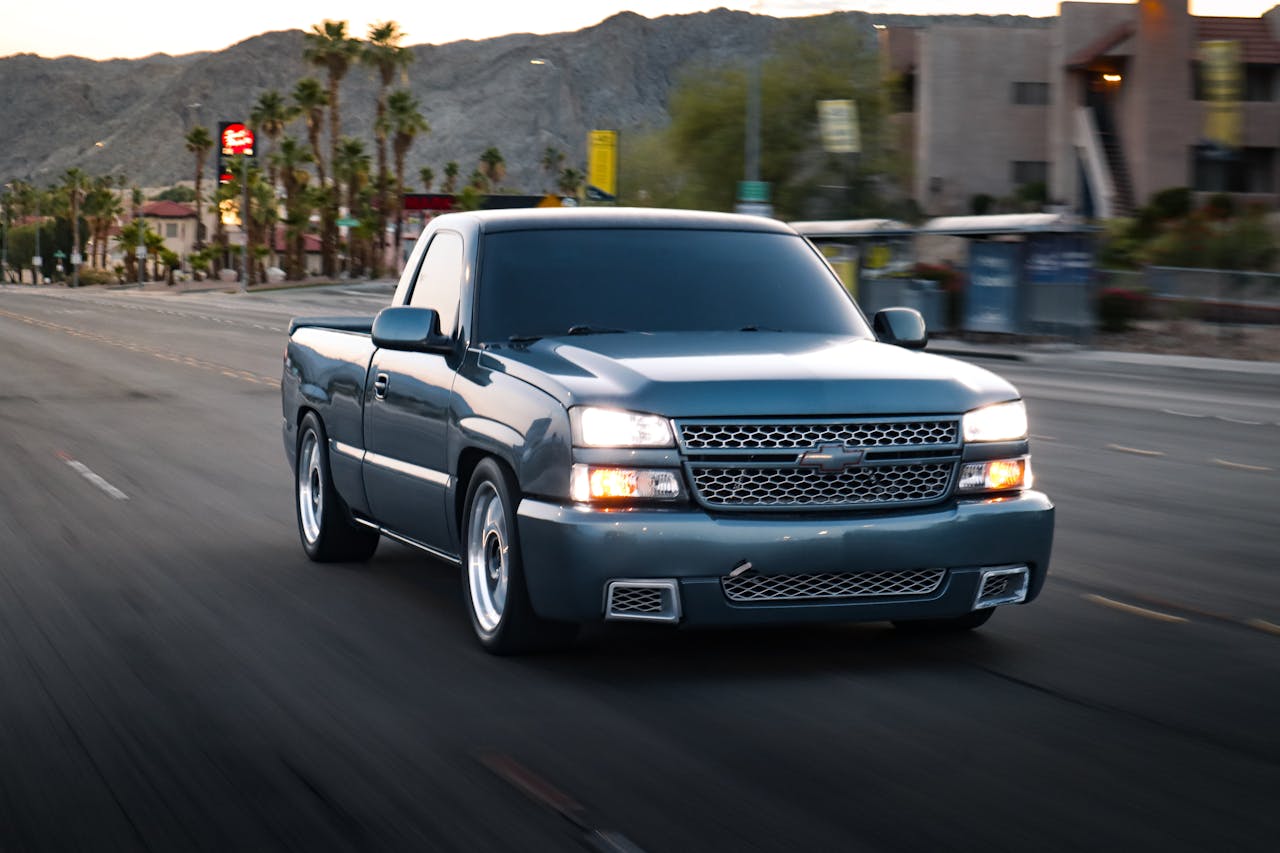
Stop Guessing a Truck’s Past and Start Verifying It
Buying a used Chevy in Houston is all about trust. You are not just buying a truck; you are buying how that truck was treated in our heat, humidity, and stop-and-go traffic. That past care can make the difference between a reliable partner and a headache.
Maintenance history matters even more here. High temps, heavy traffic, and towing trailers or boats can be tough on engines, transmissions, cooling systems, and AC. If the previous owner skipped services, the truck may feel fine on a quick test drive but hide problem spots.
When we say “maintenance history,” we are talking about things like:
- Oil and filter changes
- Transmission, coolant, brake, and differential services
- Major repairs or part replacements
- Recalls and warranty work
- Collision repairs and insurance claims
To check that history on a Silverado or Colorado, you have a few main tools: CARFAX reports, dealer service records, GM recall lookups, and a careful visual inspection focused on these trucks. Used together, they give you a much clearer picture of how that truck was really treated.
Using CARFAX the Right Way for a Used Chevy in Houston
CARFAX is a great place to start, but you need to know how to read it. It usually shows:
- Ownership history and where the truck was registered
- Mileage entries from inspections and services
- Reported accidents or damage
- Title issues like salvage or rebuilt
- Some oil changes and repair visits
The key word is “some.” CARFAX does not catch everything. In Houston, a lot of oil changes happen at small shops or are done by the owner. Cash jobs and work done under a company or fleet name may not show up at all. That means a clean report does not always mean perfect care.
So use CARFAX as a guide, not the final truth. Here is how to cross-check it with reality:
- Match the mileage on the report with the odometer and any service stickers on the windshield or door
- Look at Texas inspection dates. Long gaps with no inspection can be a sign of low use or something parked after an issue.
- Notice if the truck jumps between states, especially flood-prone areas, and ask why
- Pay attention to frequent owner changes; a truck that passes hands quickly may have hidden problems
When you spot gaps or odd patterns, that is your cue to ask more questions and lean harder on dealer records and inspections.
Dealer Records, GM Systems, and Recall Checks
CARFAX is only one side of the story. Chevy dealers have access to GM systems that track work done at GM dealerships around the country. When you bring in a used Chevy in Houston, we can usually see:
- Warranty repairs done at any GM dealer
- Completed or open recalls tied to the VIN
- Many dealer-performed services like oil changes or brake work
This helps fill in blanks, especially if the truck has been serviced at GM stores before. It also helps you spot patterns, like repeated repairs in the same area.
Recall checks are another key step, especially before long summer trips or towing season. With the VIN, you can:
- Run a recall search on GM tools
- Cross-check recalls on national safety sites
If any recall shows as “open,” that means the repair has not been logged as complete. Recall work is done to fix known safety or reliability issues, so you want those addressed before you depend on the truck.
When you ask for dealer service printouts, look closely at:
- Regular scheduled maintenance visits and what was done
- Repeated repair codes for the same system, which may hint at a deeper issue
- Major component replacements like engine, transmission, or differential
- Notes that say “recommended but declined.” This can signal services the owner chose not to approve.
These details tell you not only what was fixed, but also how the owner treated recommended care.
Service Intervals That Protect Houston Trucks
Houston driving can count as “severe duty” for a truck. Stop-and-go traffic, hot pavement, and hauling gear or trailers all put extra load on fluids and parts. So when you look at a used truck’s records, think about whether the service timing matches that harder use.
For Silverados and Colorados, pay special attention to:
- Oil and filter changes, done on time and with the right grade
- Transmission services, including fluid and filter changes at realistic intervals
- Differential and transfer case fluid changes for 4×4 trucks
- Brake fluid flushes and pad or rotor replacements
- Coolant flushes to protect the engine in the heat
- AC service, including checks for leaks or weak performance
Compare the maintenance booklet in the glove box, or the official Chevy schedule online, to the records you have. If the truck was used for towing, oilfield work, or construction, it should follow the more frequent, severe-use schedule, not the light-use one.
If history is thin or missing, protect yourself by:
- Getting a full inspection from a technician who knows Chevys
- Treating the truck like it is due for baseline fluids, such as engine oil, transmission fluid, coolant, and differential fluid
- Planning to replace wear items sooner instead of waiting for a problem
This way, you start your ownership on a clean slate, even if the paperwork is not perfect.
Red Flags on Used Silverados and Colorados in Houston
Some warning signs show up on paper; others show up on the truck itself. On the records side, watch for:
- Long gaps between any documented services
- Repeated check engine, transmission, or driveline repairs
- Frequent alignment or suspension work that could point to curb hits or collision damage
Houston adds its own set of risks. Keep an eye out for:
- Titles or past registrations from known flood zones or coastal areas, combined with rust, water stains, or musty odors
- Notes about flood or water damage on reports
- Hail repair history that looks recent but no matching body work listed
For Silverados and Colorados, also check for heavy-use clues:
- Worn or aftermarket hitches, signs of frequent towing without matching brake or transmission service records
- Mismatched or unevenly worn tires, which may hint at poor alignment or suspension issues
- Lift kits, tuners, or performance parts without alignment sheets or added service records to back them up
None of these things automatically mean “walk away,” but they do mean you should slow down, ask more questions, and get a careful inspection by a tech who knows these trucks.
Make Your Next Used Chevy Truck a Smart Houston Buy
When you bring it all together, a smart used Chevy in Houston decision follows a simple checklist. Start with CARFAX, then add dealer records, recall checks, and a side-by-side comparison of real services to the Chevy schedule. Finish with a focused inspection on common Silverado and Colorado trouble spots like transmissions, suspension, cooling, and AC.
Paper records will never tell the whole story by themselves, and a quick test drive will not either. But when you combine both, plus expert eyes, you give yourself the best chance of picking a truck that can handle Houston traffic, weekend trips, and work duties with fewer surprises. At Knapp Chevrolet, we work every day with Chevy trucks and GM systems, so we know how the right history can keep your next Silverado or Colorado running strong.
Drive Home Confidence With a Budget-Friendly Chevy Today
If you are ready to upgrade your ride without stretching your budget, explore our current specials on a used Chevy in Houston and find a model that fits your life. At Knapp Chevrolet, we carefully inspect every pre-owned vehicle so you can shop with peace of mind. Have questions about financing, trade-ins, or availability? Simply contact us and our team will walk you through your options step by step.
Connect with us


