





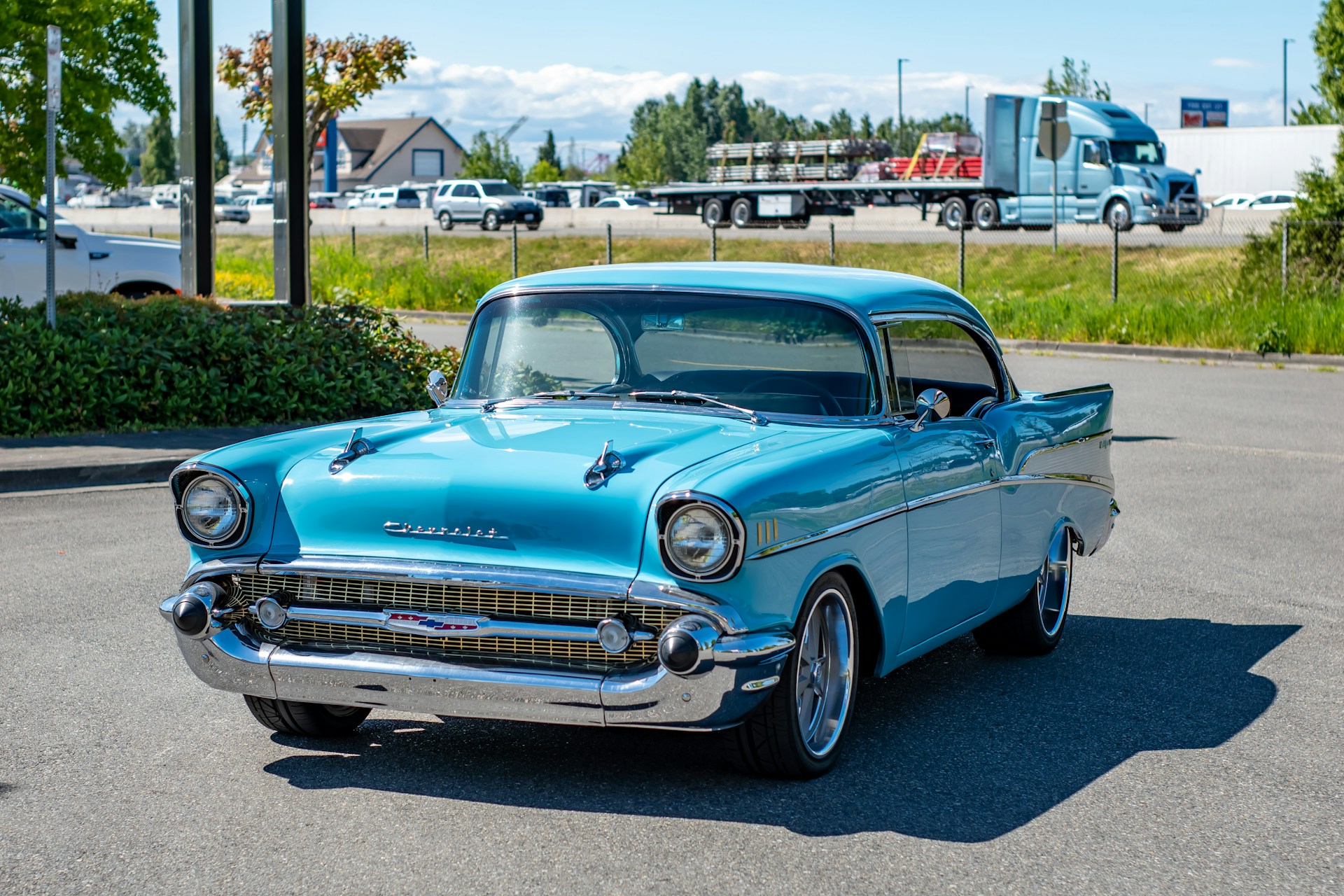
Test driving a car is an exciting step in the car-buying process. It’s your chance to get a feel for what it’s like to be behind the wheel of a potential new vehicle. This experience allows you to assess the car’s handling, comfort, and features firsthand. More importantly, it’s an opportunity to explore how the vehicle suits your lifestyle and needs. For those visiting Chevy car dealerships in Houston, a test drive becomes a crucial part of making a confident and informed purchase decision.
When shopping for a new car, many factors come into play. You must consider comfort, functionality, and performance to ensure your new ride meets your expectations. Visiting a dealership in Houston provides you with the opportunity to drive the car in a real-world setting and understand how it responds to city driving conditions. Whether it’s handling morning commutes or weekend road trips, test driving gives you valuable insights into how well a Chevy might fit into your daily routine.
What to Look for in a Test Drive
When stepping into a car for a test drive, your main aim is to gather as much personal insight as possible. Here’s what to keep an eye on:
- Comfort and Ergonomics: Is the seating comfortable? Can you easily reach the controls? Make sure the driver’s seat adjusts to your liking and that visibility is good. These factors contribute to a pleasant driving experience, especially if you’re planning on long journeys.
- Performance and Handling: Pay attention to how the car accelerates, brakes, and steers. Is the handling responsive? Do you feel confident in its ability to maneuver traffic in Houston? Also, listen for any unusual noises when accelerating or coming to a stop.
- Key Features and Electronics: Check out the infotainment system, air conditioning, and other electronic features. Are they user-friendly? Do they meet your needs for connectivity and comfort? Try pairing your phone with the Bluetooth system, if available, and see how other controls function.
Remember, the goal during a test drive is to determine if this vehicle feels right for you. Take your time, drive on different road types, and don’t hesitate to ask questions to maximize this opportunity. After spending a little time in the driver’s seat, you’ll have a much clearer idea if this could be your next car.
Questions to Ask About the Vehicle’s Condition
After you’ve taken the car for a spin, it’s time to dig a little deeper into its history and current condition. One key question is about any recent repairs or maintenance. Understanding what work has already been done can give you peace of mind about the car’s reliability. You’ll want to know if any major parts, like the brakes or transmission, have been updated recently, and if they haven’t, when they might need attention.
Next, ask about the vehicle’s history. This includes details about previous ownership and use. Was the car mainly used for city driving, or did it spend a lot of time on highways? Discovering this can help you gauge future maintenance needs. Also, don’t forget to check if the car has been involved in any accidents or has had repainting work, as this may affect the car’s value and performance.
Understanding the warranty and any service packages included is another crucial point. Find out what the warranty covers and how long it lasts. Some vehicles might come with added service packages that can save you money down the road. Having this information ensures you won’t be caught off guard by unexpected costs.
Understanding Financing and Warranty Options
Securing the right financing and warranty is just as important as choosing the right car. Start by discussing available financing plans and interest rates with the dealer. Understanding these options will help you determine the best way to finance your purchase, whether through a loan or leasing arrangement. You’ll want to know the terms, monthly payments, and any upfront costs involved.
It’s also wise to explore the details of the warranty options. This is your safety net against unforeseen problems. There are usually different types of warranties, including bumper-to-bumper and powertrain warranties. Each covers different components of the vehicle, so find out what is included. Don’t hesitate to ask questions if you are unsure about what’s covered.
Finally, inquire about any additional costs or fees that might not be immediately apparent. Sometimes, extras like extended warranties or service plans can seem appealing but might add up. Be clear on what’s necessary versus what might simply be an upsell.
Final Thoughts on Test Driving with Confidence
As you finish your test drive, gather your thoughts on how the car felt and if it meets your expectations. Getting a good sense of any remaining questions or concerns will help you wrap up this important experience effectively. Consider factors like your budget, the total cost of ownership, and the support you’ll receive from the dealer going forward.
Having a prepared checklist can guide you through this process with ease. This includes going over the test drive notes, checking in on all queries you might still have, and weighing the long-term costs associated with the purchase. All these points ensure you make a choice you’re happy with.
Taking thoughtful steps during your test drive will lead to a purchase that you’ll be satisfied with for years to come. By being informed and asking the right questions, you enhance your car-buying experience and drive away with confidence in your new Chevy.
Ready to take the next step in finding your ideal Chevy? Explore the wide selection at the best Chevy car dealerships in Houston, where you can experience firsthand what driving a Chevy could mean for you. Visit Knapp Chevrolet and see how a new Chevy can fit seamlessly into your life.
Connect with us


