



Blog

All Houston Chevrolet Dealer Houston Chevrolet Service Knapp Chevrolet Knapp Chevrolet Service Houston, TX Chevrolet SUV Houston Used Cars Chevrolet financing Knapp Chevrolet used car Used Car Specials
Oil Change

Understanding Your Chevrolet's Oil Change Schedule

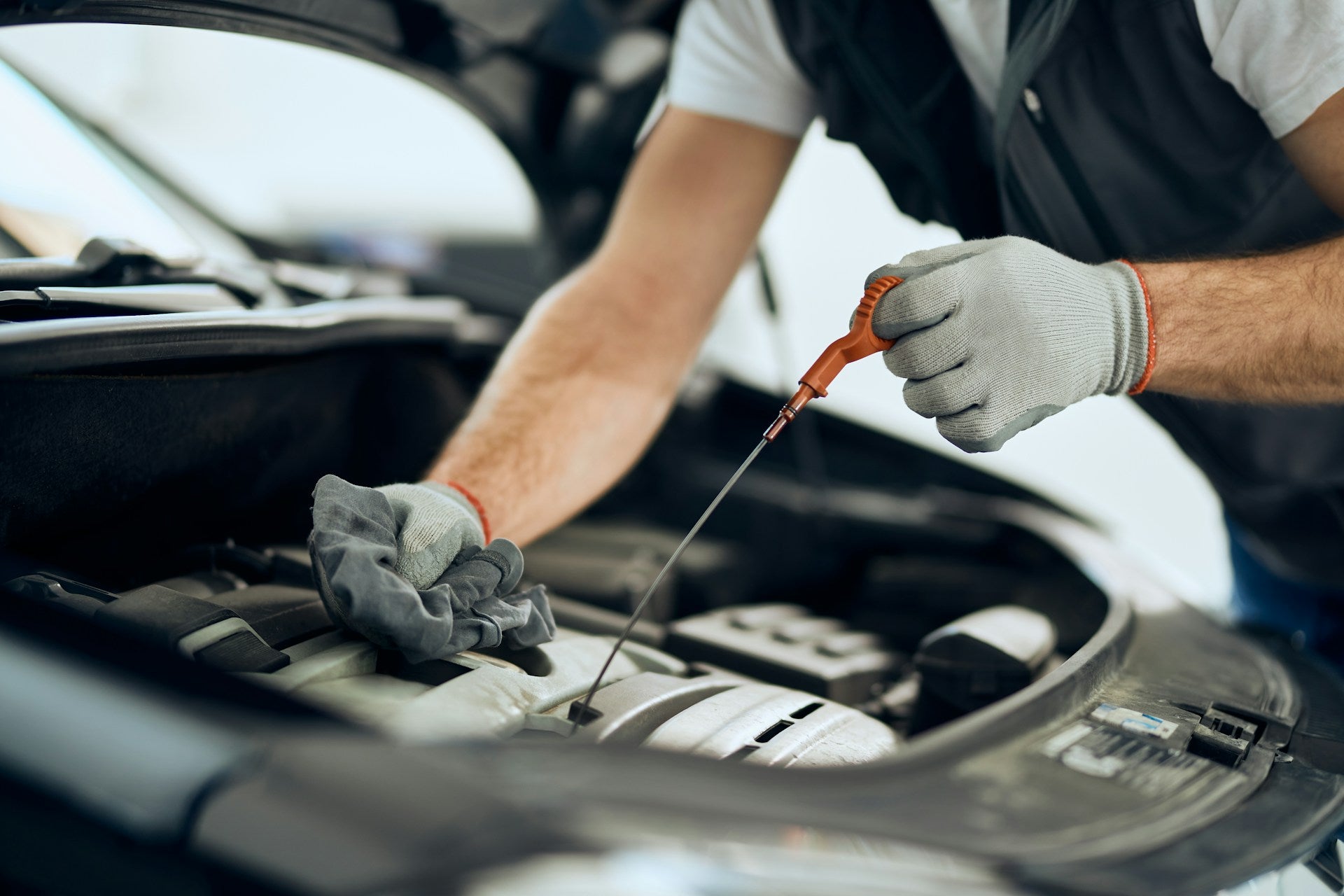
Keeping your Chevrolet in good shape means staying on top of its oil change schedule. Oil is what keeps your engine parts moving smoothly so everything works the way it should. But when oil gets old or low, your engine has to work harder than it needs to. That can lead to wear and tear and costly repairs. No one wants to deal with that if they can avoid it. There are some early signs that you might be due for an oil change. Maybe the dashboard light comes on, or you notice your engine running louder than usual. You might even smell something a little burnt. Paying attention to these signals can save you from bigger problems down the road. A regular oil change routine helps your Chevy stay reliable and gives you better fuel efficiency. It's a small step that makes a big difference. Understanding Your Vehicle's Oil Change Needs Not every Chevy runs on exactly the same oil schedule. How often you need to change your oil depends on a few things. That includes how and where you drive, what kind of oil your car uses, and the kind of engine you have. City drivers who make a lot of short trips may need oil changes more often than someone who mostly cruises on highways. Houston drivers, for example, might find themselves in hot weather and heavy traffic, both of which can wear down oil faster. Here are a few things that can affect your oil change schedule: Driving habits: Frequent stop-and-go driving or towing puts more strain on your engine Environment: Dusty roads, extreme heat, or cold conditions can break down oil quicker Type of oil: Synthetic oil typically lasts longer than conventional oil Engine type: Turbocharged engines or those designed for high performance may need oil changes more often Chevrolet usually offers a general idea of how often you should change your oil, often around every few thousand miles. But those numbers aren't set in stone. The best source of truth is your owner's manual. It will have details based on your specific model and engine. Check it every now and then and use it as a guide for your maintenance plan. Whether you drive a Silverado, Equinox, or Malibu, following the right schedule protects the engine and keeps your ride smooth. Signs It's Time For An Oil Change Some drivers wait until the light comes on, while others just go by mileage. But your car actually gives you a few hints that it's ready for fresh oil, and learning what to look for can help prevent issues before they start. Here are some signs to watch for: Check engine or oil light is on: One of the first and clearest signals that something's off Louder engine noise or knocking: If your engine sounds rougher than usual, it could mean the oil isn't doing its job Dirty or dark oil: Clean oil is amber and smooth. If it looks thick and black, it's time to replace it Smoke from the exhaust: Some vapor is normal, but visible smoke might signal a problem Burnt oil smell: If you catch a whiff of something burning when your engine's running, don't ignore it Even if you don't notice any of these symptoms, it's still smart to check your oil regularly. Pull the dipstick, wipe it off, and take a look at the level and color. If it's low or looks rough, schedule that oil change soon. Catching these signs early can help avoid performance problems or bigger engine repairs down the road. Choosing The Right Oil For Your Chevrolet Picking the right oil matters more than most people think. Using the wrong type can lead to higher wear, low fuel efficiency, or even damage over time. That's why it's smart to get familiar with the options so you know what's best for your specific Chevy. Here's a quick breakdown of the most common types: Conventional oil: Often found in older or lower-mileage vehicles, this is standard motor oil. It works fine for basic driving, but it breaks down quicker in tough heat or traffic Synthetic oil: Built to handle heat, hauling, and heavier loads, this oil offers better protection and lasts longer between services. It's usually recommended for newer engines or performance models High-mileage oil: Ideal for engines with lots of miles on them. It helps condition seals and reduce leaks, all while keeping things running smoothly Check your owner's manual before making a switch. It'll tell you the oil weight and type that works best for your engine. Following these recommendations helps your engine handle everything from Houston's stop-and-go traffic to long Texas highway drives. Using quality oil and filters also makes a big difference. Cheaper products might save a few bucks upfront but could lead to bigger repair bills later. Clean oil and a good filter keep your engine protected from buildup and friction, especially when conditions get tough. Benefits of Using a Reliable Chevrolet Service in Houston An oil change might seem like a simple job, but there's more to it than swapping out old fluid. A professional technician looks beyond the surface. During service, they can catch things like small leaks, worn-out drain plugs, or gasket problems before they turn into bigger issues. At a certified shop, your Chevy gets a once-over that includes checking the brakes, fluid levels, tires, and more. It's a full look at the overall health of your car, which adds peace of mind when you're heading out on the road. Here's why expert service is useful: The right oil goes in every time, matched to your model and engine specs Trained eyes catch early signs of trouble under the hood All services follow factory guidelines to keep your warranty safe You get a record of upkeep, which helps if you ever decide to sell or trade in Getting your oil changed by someone who knows Chevrolets inside and out means less guesswork and more confidence behind the wheel. It's one way to help your engine stay strong through every season, no matter how hot it gets in Houston. Keeping Track Of Your Oil Change Schedule Life gets busy, and maintenance can slip through the cracks. But there are simple ways to stay on top of your Chevy's oil schedule that don't require much time or effort. Try one of these: Use your phone's calendar: Set a driving-based reminder, like every 5,000 miles or every six months, whichever comes first Download a car care app: Some apps let you log service dates and send you alerts when an oil change is due Write it down: A small notebook in the glove box works just fine. Keep a quick record of mileage and service dates Stick to one service provider: This keeps records consistent and helps you avoid repeat or missed maintenance visits Pay attention to dashboard alerts: Don't ignore maintenance lights or unusual noises. They might be tied to oil issues A solid routine helps prevent lapses that could lead to engine trouble. Some drivers even pair their oil change with routines like setting the clocks for Daylight Saving Time. Finding a pattern that fits your lifestyle makes it easier to stay on track. Drive Smoothly With Regular Oil Changes Skipping oil changes may not cause problems right away, but over time, the impact adds up. Engines rely on clean, properly weighted oil to deliver power, protect moving parts, and keep things cool under pressure. Long delays between changes invite buildup, heat, and friction. None of those help your vehicle's long-term reliability. Whether you use your Chevy for daily drives around Houston or longer weekend getaways, the oil you put in and how often you replace it affects how smoothly it runs. Keeping your schedule consistent helps protect against unexpected breakdowns and more expensive repairs later on. Make oil changes part of your regular car care habits. It's a small price to pay for smoother drives and fewer surprises on the road ahead. Regular servicing keeps your engine healthier, your gas mileage stronger, and your Chevy ready for whatever Texas throws your way. Ready to keep your Chevy running at its best? Trust reliable Chevrolet service at Knapp Chevrolet for expert care and top-notch maintenance. Our skilled technicians ensure your oil changes are completed with precision, enhancing your vehicle's performance and longevity. Schedule your service with us today and enjoy peace of mind on every Houston drive.
Chevrolet Winter

Top Winter Safety Features in Pre-Owned Vehicles

Winter driving can be tough, even in a place like Houston. Sure, we don't see long months of snow and ice like some states, but when winter weather does roll in, it can cause just as many problems. Cold snaps and rainy roads can make driving a lot more dangerous if your car isn't built for it. That's why knowing what safety features to look for in a pre-owned vehicle can make a big difference. Not all cars handle winter the same way, so it helps to know what to watch for when shopping. Whether you're heading out early for work on a cold morning or dealing with a sudden drop in temperature and slick streets, the right features can keep you safer and more comfortable. And while new cars tend to come packed with this stuff already, that's not always the case with used ones. If you're thinking about picking up a pre-owned car in Houston before winter really hits, here are some features you'll want to check for. Anti-Lock Braking System (ABS) ABS has been around for a while, and for good reason. When roads get slippery, you don't want your wheels locking up when you hit the brakes. That makes it harder to steer and easier to spin out. ABS helps prevent that. Here's how it works. Instead of letting your wheels stop completely when you slam the brakes, ABS keeps them moving just enough to maintain control. You can still steer your car, even when you're braking hard. That's a big advantage when the roads are wet or icy. Some key reasons ABS matters during Houston winters: It makes sudden stops smoother and safer on wet roads. It helps drivers avoid uncontrolled skids when braking quickly. It works well with other safety systems, like traction control. If you're test driving a used car, feel the brakes when you come to a quick stop. There should be a pulsating feeling, which means the ABS is doing its job. Always ask about the safety history of the car too. While ABS is standard in most newer models, it's still something to double-check in older used vehicles. Electronic Stability Control (ESC) ESC is another safety feature that works hand-in-hand with ABS. It keeps your car from sliding around or spinning if you take a turn too quickly or lose traction unexpectedly. This system kicks in when your wheels start going one direction, but your car's body is headed another. ESC helps correct your path by applying brake pressure to specific wheels and keeping things on track. Houston might not see snowstorms often, but that doesn't mean drivers don't deal with slick conditions. A little overnight freeze or an unexpected rainstorm can throw off your grip on the road. ESC helps in these moments by keeping your car steady, especially around curves or during emergency moves. Here's how ESC helps Houston drivers during winter: Gives better control on wet or icy surfaces. Helps prevent spinouts when making sharp turns. Stabilizes your car during sudden swerves or corrections. ESC can be a real difference-maker, especially for newer drivers or anyone who feels nervous behind the wheel in bad weather. Make sure the car you're considering has a working ESC system. Even a single unexpected patch of ice can turn into a serious issue without that extra layer of technology keeping your car balanced. All-Wheel Drive (AWD) When it comes to grip, not much comes close to what AWD offers. Unlike two-wheel drive setups, AWD systems deliver power to all four wheels, helping improve traction on slick or uneven ground. This can be especially useful in sudden cold spells that bring icy patches or heavy rain to the roads. Here's where AWD steps up: Power goes to the wheels that need it most, automatically. It helps you get moving easier from a full stop on icy roads. You'll feel the boost in control when driving up hills or during sharp lane changes. Before settling on a pre-owned car with AWD, get clear on whether it's full-time or part-time. Some systems are always active. Others kick in only when needed. You'll want to look at how the system responds and what kind of winter driving support it's designed for. Not every AWD is the same, so ask questions about how it works, and get a sense of what kind of terrain and weather it's meant to handle. Houston drivers may not need full-on off-road setups, but that added grip can still come in handy after a cold front or unexpected freeze. Heated Seats and Mirrors Cold weather mornings in Houston may not be frequent, but when they arrive, they hit hard. Heated seats can make those mornings a lot more manageable. There's nothing enjoyable about climbing into a freezing-cold car, and having heated seats makes a noticeable difference during your commute. They start warming up faster than your cabin heater and help make the drive more pleasant, especially during those early morning hours. Heated mirrors are a safety feature that often gets overlooked. When there's frost, ice, or mist in the air, mirrors can fog up quickly, and wiping them off by hand isn't always enough or safe to do while driving. Heated side mirrors clear up quicker and help keep visibility clear when you're changing lanes or parking in tight spots. When checking out pre-owned cars in Houston ahead of winter, here are a few things to look for: Test the heated seats to see if they power on quickly and evenly. If only part of the seat warms up or takes a long time, it might need repair. Look for the icon on side mirrors that shows heating functionality. It's usually a small square with a curved line inside. Run the rear defrost and check if the mirrors start clearing up promptly. Some are wired to the rear defrost system instead of having a separate button. While these features might seem like a small nice-to-have, they can genuinely improve comfort and safety once the temperatures drop. Think about how many winter mornings you spend behind the wheel. That extra layer of comfort and visibility goes a long way. Winter Tires Make a Big Difference You might think winter tires are unnecessary in a place like Houston, but they're worth considering, especially when you're shopping for a pre-owned car. Houston weather can be unpredictable. One day it's cool, the next it's below freezing in the early morning hours. Roads can get slick fast, even without snow. That's where winter tires come in. Unlike all-season tires, winter tires are built to stay flexible when temps drop. That gives them more grip, especially on wet or icy pavement. They also have deeper treads, which can channel rain or slush away from the tire better. If you're looking at a pre-owned car and want to gauge its tires, here are a few simple steps: Check the tread depth. Anything below 4/32" means it's time for a new set. Look on the tire's sidewall for a mountain or snowflake symbol. It shows it's built for winter driving. Scan for any uneven wear. Poor alignment or suspension issues can wear out tires faster and reduce winter performance. Even if you don't plan on swapping out tires immediately, it helps to know what the vehicle currently has and whether it's set up for winter driving. A test drive on a wet day can also tell you how well the car grips and responds. If it feels loose or uncertain when braking or turning, the tires could be part of the issue. Drive Safer Through Houston Winters Winter weather hits differently in Houston. It may not bring snowstorms every week, but all it takes is one icy morning or a quick front to unsettle your routine. That's why it makes sense to dig into the winter safety features on any pre-owned car you're thinking about buying. Features like ABS, ESC, and AWD do more than sound nice on paper. They actually help drivers stay in better control when the roads get slippery. Add heated mirrors and seats for comfort and visibility, and winter tires for that extra grip, and you've got a much safer ride when conditions shift. Investing in a pre-owned car that's ready for winter isn't just about comfort. It's about making sure your daily drive to work or weekend plans go as smoothly as possible, even when the weather isn't cooperating. By keeping an eye out for the features that matter most, you'll be in a better spot to handle those colder months without a hitch. Whether it's a quick rain or a rare freeze, having the right gear on your car gives you a good shot at staying safe on the road. Winter can catch anyone off guard in Houston, but with the right car, you’ll be ready for whatever the season brings. At Knapp Chevrolet, we offer preowned cars in Houston with the essential winter safety features to keep you secure and comfortable. Whether you need systems like ABS and AWD or comforts like heated seats and mirrors, our selection has something to fit your needs. Prepare for smoother winter drives and visit us to find the vehicle that suits your lifestyle and keeps you safe all season long.

Chevrolet

What to Check When Inspecting a Pre-Owned Vehicle

Buying a pre-owned car can be a smart move, especially if you're trying to save money without giving up quality. But before you drive off with what seems like a great deal, it's important to do your homework. A good inspection can help prevent regrets down the road. Hidden problems don't always show themselves on a quick test drive. Taking time to look closely could save you from surprise repairs later. In Houston especially, where cars deal with extreme heat, heavy traffic, and humid air, inspecting a used vehicle properly is even more important. Whether you're looking at a private seller or shopping at a local dealership, knowing what to check helps protect your wallet and your peace of mind. Here's a breakdown of what to look for so you can feel confident in your purchase. Exterior Examination Start with a walk around the car. The outside can give you a lot of useful information. A few light scratches or dings are usually nothing to worry about, but bigger signs can point to past damage or poor repairs. Here's what to look for: Body panels and paint – Step back and look at different angles. Do the panels match in color and texture? If one seems a little off or newer than the rest, it could have been replaced or repainted after an accident. Uneven gaps between doors or fenders also suggest possible crash repairs. Dents, scratches, and rust – A few cosmetic issues are expected, but rust—especially near door edges, wheel wells, or undercarriage areas—can spread and weaken the vehicle's structure. In Houston's damp environment, rust can grow quickly. Windows and windshield – Scan for chips, cracks, or scratches. Tiny chips might not seem like a big deal, but they can spread and become expensive later on. Tires and alignment – Check if the tires are evenly worn. Uneven wear might mean poor alignment or suspension problems. Look at the tread as well. Balding or cracked rubber means the tires will need to be replaced soon. Lights and signals – Turn on all the lights and use the signals. Make sure headlights, brake lights, blinkers, and reverse lights all work. If one isn't working, it could be a simple fix or something more complex like wiring issues. Don't rush this part. Walk all the way around the car, take your time, and if possible, inspect the car in daylight. Shadows or dim lighting can hide dents and flaws you'd otherwise catch. Interior Inspection Once the outside checks out, get seated inside and do a full check of the interior. A clean and well-kept cabin is a good sign the car was cared for. A messy or damaged one might mean rough use. Here's what to look for: Seats and upholstery – Sit in each seat, not just the driver's. Check for tears, worn spots, or sagging. If the car has leather, look for cracks or fading from sun exposure, a familiar issue in Houston's hot climate. Controls and electronics – Try every button: windows, locks, mirrors, lights, radio, and dashboard features. Make sure the AC and heat knobs work and blow at the correct temperatures. Test power outlets and windshield wipers. Every small feature adds up to overall comfort and function. Dashboard and trim – Check for any warning lights that stay on once the car is started. Loose or broken trim pieces should be examined too. These don't just affect looks; they sometimes reveal a bigger issue underneath. Car smell – Take a good sniff. The smell of must, mold, or cigarette smoke can linger, and in some cases, be a sign of past water damage. Overly strong air fresheners might mean someone is trying to hide it. Carpet and floor mats – Lift the mats to see what's underneath. Look for signs of leaking or stains you didn't spot right away. Water damage can often go unnoticed unless you're checking close to the floorboards. A tidy interior doesn't always guarantee a problem-free car, but one filled with stains, odors, and broken parts could point to someone that didn't keep up with regular care. Under the Hood Even if you're not a car expert, you can learn a lot by taking a peek under the hood. You want to make sure things are clean, secure, and show signs of ongoing maintenance. Look over these things: Engine bay cleanliness – A little dirt is fine, but heavy buildup of oil or grime could mean leaks. A spotless engine might have just been cleaned to hide problems, so look carefully. Hoses and belts – Touch them if you can. They should feel firm but flexible. Cracks, fraying, or glazing could mean they're due for replacement. These parts are not too expensive but can signal how long it's been since the last checkup. Fluid levels – Check the oil, coolant, transmission fluid, and brake fluid when possible. They should be at good levels and clean. Milky oil can point to water in the system. If fluids look dark or grimy, it could mean the car hasn't been serviced often. Battery – Look for white or blue buildup around the terminals. Wiggle the cables a bit to see if they feel loose. Batteries should be mounted tightly with clean contacts. If you're examining several cars, take photos of the engine bays. That way, you can compare them later or ask someone with auto experience for input. Test Drive Tips That Reveal More Than You Think Now it's time for the part you've probably been waiting for. A test drive is more than just seeing if you like how the car feels. It's when a lot of unseen issues finally come to light. Focus on the following while driving: Start the engine and let it idle. Rough idling, smoke, or sluggish startups can hint at engine trouble. Drive on both city streets and highways. Feel out the acceleration and note if the shifting is smooth. Jerking or hesitation, especially in automatic cars, may mean transmission concerns. Brake gently at first, then try a harder stop. Listen for squeaking or grinding. Shaking in the steering wheel when braking could be warped rotors. Take a few turns and notice how the steering responds. Looseness or pulling to one side could signal wheel alignment or suspension problems. Turn off the radio and listen. Rattles, hums, or clunks can often point to worn-out shocks or engine issues. Turn on the AC and heat. Both systems should blow strong and at the right temperature. If it takes too long to cool or heat the cabin, there could be HVAC trouble. Finish the test drive by parking the vehicle in different conditions: parallel parking, backing into a space, or parking on a hill. Seeing how it responds in small areas lets you know if it's easy to work with day to day. Don't Forget the Paperwork Once the car passes the visual checks and the test drive feels right, take time to finish with the documents. Paperwork can tell you just as much as a loose belt or leaking engine. Here's what to review: Service history – Look for a record of oil changes, tire replacements, and scheduled maintenance. It shows care and attention from previous owners. Ownership count – Ask how many people owned the car. A long chain of short-term owners can be a sign of hidden issues passed from buyer to buyer. Recalls and warranties – Ask if there are any open recalls and whether any warranties are transferable. Sometimes automakers offer repairs at no cost. VIN match – Check the Vehicle Identification Number (VIN) on all documents and compare it with what's printed on the car. It's usually found near the front windshield and inside the driver's side door frame. Snap a clear photo of the VIN and keep it for any research or report you may want to pull later. Choosing a Car That's Right for You Doing a proper inspection before you buy helps you avoid costly surprises. In a place like Houston, where the weather and roads can speed up wear and tear, it's worth putting in the time upfront. The best part about going through this list is the confidence it gives you. It's not just about spotting cracked belts or checking tire treads. It's about knowing the car you choose will match your lifestyle and hold up through long commutes, weekend errands, and everything in between. Don't overlook the details. Ask questions, take your time, and feel sure of your choice. The right car isn't just reliable—it fits your needs, drives well, and makes you feel at ease behind the wheel. Wrap up your search for a reliable vehicle by exploring Knapp Chevrolet's selection of preowned cars for sale. Our inventory offers options for every lifestyle in Houston, combining comfort, value, and peace of mind with every drive. With our expert team ready to assist, you'll find the perfect car that meets your needs and budget. Visit Knapp Chevrolet today to drive home with confidence.

Silverado

Top Questions About the Latest Silverado Models

The Silverado keeps evolving, and every new generation seems to spark even more curiosity among drivers. Whether you're loyal to the lineup or just starting to explore it, there's always a buzz of excitement when new models roll out. With updated features, fresh trims, and smart tech upgrades, the latest Silverado brings a lot to the table. Houston drivers, in particular, have a lot to think about, especially with the city's mix of highway commutes, weekend towing needs, and unpredictable weather patterns. If you're thinking about getting behind the wheel of a new Silverado in Houston, you probably have some questions. What sets this version apart from others? How does it fit your lifestyle and local driving conditions? Below, we've put together answers to some of the most common questions asked by truck buyers right here in the city. What Are the New Features of the Latest Silverado Models? There's always something fresh to look forward to with a new Silverado release. For drivers who care about day-to-day comfort and smart features, these updates are more than just cosmetic changes. The newest models show improvements both inside and out. Some of the standout updates include: A redesigned front end with a bolder, more aggressive grille and updated lighting for stronger road presence A fully digital instrument panel that gives you clear, real-time driving info at a glance Bigger infotainment screens that make smartphone integration easier and more intuitive A more complete safety tech package with rear-view monitoring, alert systems, and braking features New engine options that offer better fuel use while still delivering strong towing capacity Safety features like adaptive cruise control and lane-centering play a big part in reducing stress during rush hour traffic, which is common along Houston area highways. Silverado drivers also benefit from a better cabin layout, improved seating, and more user-friendly controls. These adjustments help make long drives more comfortable and minimize fatigue. If you regularly haul equipment or trailers, the changes in the bed design and trailering packages will stand out. It's easier to access tools and materials, and the newer hitch assist systems provide added confidence when lining up a trailer or securing a heavy load. How Does the New Silverado Compare to Previous Models? One of the biggest reasons people consider trading in or upgrading is catching up on all the perks they missed by sticking with an older model. So how does the newest Silverado stack up against earlier versions? First, there's a noticeable change in driving experience. The newer engines are more responsive and tuned for better fuel mileage, all while maintaining strength for towing or hauling. The suspension and handling have been upgraded to create a smoother ride, especially over rough Houston side streets or long stretches of highway. Inside, the driver-focused layout makes the cab feel more like a modern SUV than a work truck. Materials are softer, visibility is clearer, and storage is more versatile. If you've owned a previous Silverado, switching to the latest generation feels like stepping into a different class of comfort and control. The quiet ride is another noticeable difference. With better insulation and frame improvements, the cabin stays calm even during high-speed trips or when driving past busy traffic zones. And with expanded seating and smart storage solutions, both work tools and personal items have a place to go without taking away your legroom. What Are the Trim Levels Available for the New Silverado? The Silverado lineup includes trims that can meet a wide range of needs, whether you're looking for a stripped-down work truck or a pickup with top-tier comfort and luxury. Understanding the trims and who they're meant for can help make your decision easier. Here's a quick overview: 1. WT (Work Truck) – Simple and durable. Great for commercial use or hard labor situations. 2. Custom – Adds key styling features with larger wheels, better tech, and budget-friendly upgrades. 3. LT – A well-balanced trim that provides comfort and features for everyday use and work combined. 4. RST – Sporty and sleek, with body-colored trim and more advanced in-cab technology. 5. LTZ – Offers leather upholstery, extra safety features, and premium trailer tools for a polished feel. 6. High Country – The most luxurious option, with high-end finishes and advanced driving aids. If you're commuting through Houston during the week and towing a camper on weekends, the LT or RST provides a solid balance of utility and personal comfort. If your work involves long-distance driving or frequent hauling, then the added features in the LTZ or High Country trim may be more suitable. For businesses or onsite job crews, the WT or Custom trims pack the power while keeping costs in check. How Does the New Silverado Perform in Houston's Conditions? Houston is known for its humid summers, pop-up rainstorms, occasional flooding, and crowded roads. That environment can test any truck's limits, but the current Silverado lineup is built with that in mind. The latest improvements in suspension and steering help absorb road bumps and reduce rocking motion, which is helpful when driving through construction zones or uneven neighborhood streets. High-speed stability remains strong even through sharp interstate turns or sudden lane changes, which makes for safer highway driving. Heat is always a factor in Houston, and the improved engine cooling systems support long commutes or parked idle time without overheating. The AC system cools down the cabin fast, even when the truck's been sitting under the midday sun. During wet months, features like all-terrain drive modes and traction assist pay off. Flood-prone driveways and post-storm puddles become easier to manage, especially with improved braking and drive control features. And thanks to the new lighting systems, visibility stays clear, while safety tech like forward emergency braking can help avoid hazards during heavy rain and fog. Lastly, we know Houston traffic can be brutal. With the Silverado's upgraded seats, optimized cabin acoustics, and smarter in-dash systems, even long commutes feel more manageable, whether you're driving across town or stuck on Loop 610. This Truck Makes Every Mile Count No matter how you use your truck, the latest Silverado lineup offers something that fits your routine. From hauling equipment to safely getting your family across the city, this model speaks to the many needs of life in Houston. Every trim comes packed with features that show Chevrolet has listened to driver feedback, balancing rugged capability and improved comfort. Whether it's the boost in fuel efficiency, quiet ride, or safer road performance, each upgrade helps Texans manage real Houston travel challenges. Finding a truck that meets your needs starts with knowing what those needs look like day-to-day. And when it comes to budget, travel style, and job demands, Silverado gives you the space to choose what's right. If you're looking to switch things up or simply want to learn more about your choices, we'll help you take the next step toward the right fit. If you're ready to upgrade your drive with something built for comfort, capability, and Texas roads, take a closer look at a new Silverado in Houston. At Knapp Chevrolet, we have a wide range of trims and features to match how you live, tow, and travel every day. Whether you're tackling Houston's highways or hauling your weekend gear, the latest Silverado stands ready to meet your demands with unparalleled style and performance. Visit us today to find the perfect match for your lifestyle and see how the new Silverado can make every journey more enjoyable.

Chevy Truck

Comparing Different Chevy Truck Models for Your Needs

Finding the right truck is about more than liking the way it looks or what color it comes in. Whether you're heading out to a job site every morning, hauling weekend toys, or just wanting a reliable ride with extra space, choosing a Chevy truck that matches your lifestyle makes a big difference. Houston drivers in particular have to factor in city driving, highway commutes, and weather changes throughout the year. That’s why it helps to know what each Chevy truck has to offer before jumping into a purchase. Each model has its own strengths, and comparing them side by side can make the decision a lot easier. Here's a closer look at popular Chevy truck options and how you can narrow them down based on how you plan to use your truck. Overview Of Available Chevy Truck Models Chevy offers a variety of trucks built for different needs, from light everyday use to heavy-duty work tasks. While there are many trim levels and packages to choose from, these are the main models you’ll likely come across: Chevrolet Colorado: A midsize truck that balances good handling with solid power. Great for daily drivers who want a bit of utility without the full size. Chevrolet Silverado 1500: Probably the most recognized model, this full-size pickup blends strength and comfort. It’s flexible enough for both personal use and serious hauling. Chevrolet Silverado HD (2500 and 3500): These heavy-duty versions step things up with stronger towing limits and more rugged performance. Good for those who rely on their trucks for demanding work-related jobs or frequent towing. Each of these has multiple trim levels, so it’s important to look beyond just the name when comparing. Some trims focus on comfort and tech, while others lean into worksite toughness or off-road readiness. Whether buying your first truck or upgrading an older model, understanding the lineup helps avoid picking something that ends up being either too much or too little for your intended needs. Comparison Based On Usage Needs Not every truck shopper has the same goal in mind. Some need a truck that can pull heavy trailers. Others just want a reliable vehicle with a truck bed for light hauls. Breaking it down by usage is one of the best ways to pick the right Chevy truck. 1. Heavy-Duty Work And Towing If you're pulling heavy equipment or trailers on a regular basis, the Silverado 2500 or 3500 may be your best option. These come with available diesel engine options and stronger frames. Look for features like integrated trailer brake controllers, larger cargo bed capacity, and stability systems that help when towing on tough roads. 2. Daily Commuting And General Use For everyday driving around Houston, the Colorado or Silverado 1500 makes more sense. They're easier to park, offer smooth rides, and tend to have better gas mileage than the bigger trucks. Heated seats, touchscreen infotainment, and adaptive cruise control can make daily commutes a little more comfortable. 3. Off-Road And Adventure Planning to drive through muddy trails, camp grounds, or unpaved roads? Consider the Z71 or Trail Boss editions. These trims offer upgraded suspension, off-road protection, and stronger tires. 4WD availability with selectable driving modes helps when you're dealing with changing terrain and weather conditions. Choosing based on how you'll actually use the vehicle saves you from overpaying for features you'll never use or ending up with a truck that just can't keep up. One Houston driver who often pulls a small fishing boat on weekends but also commutes daily to an office might lean toward a Silverado 1500 equipped with a tow package and comfort upgrades, offering the best of both needs. Key Features And Technologies Even when two trucks look similar on the outside, what’s under the hood and inside the cab can make a huge difference. Chevy trucks come with a mix of safety tech, comfort options, and performance features that could tip the decision one way or another depending on what matters most to you. Safety is one of the biggest priorities for most truck buyers. Standard driver assistance features like forward collision alert, lane keeping support, and rear vision cameras are found on many models. But if you’re planning to carry passengers regularly or drive in busy areas, it’s worth looking for trucks with extras such as blind zone alerts or rear cross traffic braking. These features can reduce risk during city driving, especially around Houston where traffic can be unpredictable. Comfort features also vary based on the model and trim. Basic trims will cover what you need, but higher trims add more luxury. Think ventilated front seats, premium sound systems, and wireless charging. Heated steering wheels and dual-zone climate control might not seem like a big deal until you're stuck in afternoon traffic when the Houston weather can’t make up its mind. Performance-wise, the engines available on these trucks offer various power levels and fuel efficiency. For example, the Colorado comes with a turbo engine option that's punchy without going overboard. The Silverado gives you choices between more fuel-focused options and larger engines built for power while towing. Trucks built for off-road or work may also come with reinforced suspensions and skid plates to handle rougher conditions. Matching Your Lifestyle With The Right Model Once you understand the features and model lineups, the final step is to tie them back to how you live your day-to-day life. Everyone’s needs are different, but making a checklist helps you narrow it down. Ask yourself these quick questions: What do you use your truck for most, work, errands, trips, towing, or all of the above? How many passengers do you carry regularly? Is off-roading part of your routine or just an occasional plan? Do you need added safety features for young drivers or city navigation? What’s your parking situation like at home or the office? If you're someone who’s constantly moving equipment to a small business site, you’ll likely want something with a durable bed, advanced towing aids, and seat fabric that can handle a little dirt. On the other hand, if your truck is more of a family ride with weekend duties, something with more comfortable seating, USB ports, and rear seat legroom may be the priority. A Houston resident who enjoys heading down to Galveston on the weekends but commutes into the city every weekday may find that the Silverado 1500 with a crew cab balances both work and recreation. It’s easier to navigate Houston streets than a heavy-duty truck but still strong enough to tow a jet ski or trailer. Finding Your Perfect Chevy Truck in Houston Knowing your needs, habits, and daily routine is the best way to steer yourself toward the truck model that fits. Just chasing horsepower or settling for the base model might leave you with a truck you’re not happy with in a few months. There’s a Chevy truck out there that feels like it was made just for what you do. Whether your day starts on construction sites or taking the kids to school and ends up on the highway headed out of town, the lineup has something to match your pace. By learning what each model offers and thinking about how it’ll fit into your life in Houston, making the call becomes less of a headache and more of an easy decision. If you're ready to discover how a Chevy truck can enhance your lifestyle in Houston, consider exploring the selection of new Chevy trucks in Houston at Knapp Chevrolet. With a diverse range of models, finding the perfect fit for your routine and adventures has never been easier. Explore your options today to see how different features align with how you live and drive.

Chevrolet

Why Fall is the Best Time to Buy a New Chevrolet

Fall in Houston brings shorter days, cooler mornings, and a break from the intense summer heat. It’s also one of the most relaxed times of the year to think about buying a new car. Without the rush of holiday shopping or the summer travel frenzy, you're able to slow down, do your research, and take your time. And when it comes to shopping for a new Chevrolet in Houston, the timing couldn’t be better. There's something about October that makes car shopping feel way less stressful. Whether it’s the changing seasons or the steady pace of fall life, it’s easier to focus on what's best for you and your family. And with so many benefits packed into this season, from better deals to easier test drives, there are plenty of reasons why more people choose this time of year to bring home a new ride. Take Advantage of Year-End Sales and Promotions One of the biggest perks of buying a new Chevrolet during the fall is timing. Fall often lines up with dealership goals and new model rollouts, meaning you might find pricing or financing options that weren't available over the summer. By the time October rolls around, dealers are trying to make room for next year’s inventory. That can work in your favor. Here are a few ways fall promotions may benefit you: Special pricing on outgoing models: As next year’s models arrive, dealers are motivated to move current inventory. Shoppers can often score attractive pricing on a brand-new vehicle that’s just a few months newer than what was on the lot in summer. Seasonal finance offers: Fall can bring flexible payment plans or lower financing rates for qualified buyers. It might be easier to find a deal that fits your monthly budget. More incentives to close deals: When dealerships are working to meet end-of-year goals, they may stack in extras like extended warranty options or trade-in bonuses, depending on your situation. This time of year tends to be quieter at many stores. With less foot traffic, you’re more likely to get dedicated help, more time to test drive, and less pressure overall. If you're comparing models or weighing which features matter most, that extra breathing room can make a big difference. It turns what could be a stressful process into something that actually feels manageable. And by starting before the holiday craze hits, you give yourself more control over your decision. More Models, More Choices Fall is one of those rare times when dealership lots tend to be full but not overcrowded. That means options. Whether you're eyeing a family SUV, a reliable sedan for daily commuting, or a truck for hauling gear around Texas, fall usually offers a healthy mix of models, colors, and trim levels. Here’s why inventory tends to peak around this time: Dealerships stock up on incoming-year models to prepare for early interest Older models that didn’t sell over the summer are still available Trade-ins from summer buyers add to the pool of used inventory, though we’re focusing on new vehicles here Having more choices on the lot means you don’t have to settle. If there's a feature you want, like upgraded sound, all-wheel drive, or a panoramic sunroof, it’s much more likely you’ll find it without needing to special order or wait for a transfer. For Houston-area drivers, where commutes can stretch and traffic is part of daily life, comfort and tech features aren't luxuries—they make a big difference in your weekly routine. It’s much easier to shop when you can compare everything side-by-side in person. Picture walking onto a lot and seeing ten or more versions of the same model you’re interested in. That’s what makes fall a smart time to act. Test Drives Are Better in Houston Fall Weather Taking a test drive during the fall just feels better. Houston’s high summer heat can make it tough to get a good sense of how a new vehicle really behaves. Long walks around the lot, sitting inside a hot car, and trying to focus with the AC running full blast is not ideal. That’s why the cooler weather this time of year can actually help you make a more informed decision. Mild fall temperatures make test driving easier and more comfortable, especially when you're checking out several models in one day. You can roll the windows down, test the cabin airflow, and see how the seat warmers or dual-climate controls handle the early chill in the morning. It's a great time to pay attention to features that you wouldn’t think about during the summer. You’ll also get a better read on things like: How quickly the AC cools down or the heater warms up Comfort of the upholstery in changing temperatures Visibility with early sunsets and glare at different times of day Road grip and braking response when the weather cools off slightly One Houston driver recently shared how a fall test drive changed their preferences. Initially leaning toward a smaller car, they noticed that the SUV option had better visibility during dusk hours and more responsive climate controls. It’s these little things, easier to notice when you’re not sweating through a test drive, that can shift your whole perspective on what you need day to day. Plan Ahead for Holiday Roads Fall might be calm now, but the holidays are just around the corner. That means road trips, packed parking lots, and loaded highways that test your patience and your car. Buying a new Chevrolet in the fall gives you time to break it in before the holiday rush hits. Starting early helps you get familiar with how the vehicle handles in different driving settings. It also gives you time to figure out entertainment features, adjust seating for your family, and set up navigation tools before you're dealing with traffic during peak travel times. New Chevrolet models often include features that are great for road trips, such as: Adaptive cruise control and lane keeping Multiple USB ports for charging devices Comfortable rear seating for passengers Roomy cargo space for gifts, luggage, or groceries Houston-area drivers who plan ahead won’t stress about whether their old car will make it to San Antonio or Dallas. Plus, buying in fall gives you time to get that first oil change or tire rotation out of the way well before you’re packing up for that Thanksgiving drive. Why Fall Just Makes Sense Fall in Houston sets the stage for easier car shopping. You get calmer weekends, better weather for test drives, and more chances to find the exact Chevy you want. Fewer crowds at dealerships can lead to a quieter, less rushed experience. Mix that with seasonal promotions and a wider lineup of vehicles, and it becomes a month filled with real opportunities. Whether you're preparing for holiday travels or just ready for something new after a long summer, fall is a smart time to start your search. Between the seasonal advantages, better comfort, and practical timing, buying a new Chevrolet in Houston this fall could smooth out your ride for years to come. If you're thinking about upgrading your ride this season, exploring options for a new Chevrolet in Houston is a great place to start. At Knapp Chevrolet, we're here to help you find the right fit—from sleek sedans to capable SUVs—so you can drive into the holidays with comfort and confidence.

Chevrolet

Top Features of the Latest Chevrolet Models

Looking at new car models is always exciting, especially when you're checking out today's new Chevrolet cars for sale. These vehicles are packed with smart upgrades, polished interiors, and features that match how people actually drive today. Whether you're looking for something reliable for everyday commutes or hoping for something with a mix of comfort, style, and tech, Chevy’s lineup offers plenty of choices. With fall settling in around Houston, now’s a great time to explore what makes these newer models stand out. From thoughtful safety systems to smooth entertainment setups and advanced fuel handling, Chevrolet has been stacking its vehicles with features that support both quick errands and longer, out-of-town drives. Here's a look at some of the top features you’ll find in the newest models. Advanced Safety Features Built for Daily Life Safety means different things to different folks, but for most drivers, it comes down to control and confidence. The latest Chevrolet models come packed with standard and optional tools that help you stay more in tune with what's happening around you. These features are especially helpful if you're driving in busy areas or stuck in traffic on Houston roads. Some of the newer Chevy models offer: Lane-keeping assist to help keep the vehicle centered Automatic emergency braking that works when it senses something too close ahead Adaptive cruise control that adjusts with traffic so you don’t have to slam the brakes These tools don’t replace careful driving, but they give drivers extra peace of mind. For someone used to packed highways or congested intersections like the ones near the Galleria or downtown, having a car that helps you stay alert can reduce stress on the road. Imagine commuting on I-45 and having sensors alert you when someone’s too close or drifting into your lane. That kind of help adds up over time and makes even the most routine drives smoother. What’s also nice is how these features are working in the background. You don’t have to push a bunch of buttons or flick switches. Once they’re active, they respond as needed, giving drivers more time to react and make better decisions on the spot. For families, young drivers, or anyone who values support without fuss, these types of built-in safety layers are a big reason to look at the newest Chevrolets. Smarter Infotainment That Keeps You Connected Just about everyone wants to stay connected during a drive, whether it’s for music, podcasts, directions, or hands-free calling. New Chevrolet models come with infotainment systems that feel easy and familiar the moment you sit inside. They look sharp, work fast, and respond well to voice input or touch. Modern Chevy dashboards usually include: Touchscreens that are bright and simple to use Apple CarPlay and Android Auto for smartphone syncing Voice commands that let you adjust settings without taking your hands off the wheel These features are especially handy around Houston, where traffic patterns shift and it helps to get quick reroutes or updates on delays. If you’re heading out toward The Heights or down to the Medical Center, having directions pop up right on the screen keeps your attention where it should be — on the road. Music app integration also makes it easy to flip through playlists or switch podcasts, all without reaching for your phone. What sets Chevy’s systems apart is that they don’t try to be complicated. The goal is to support your drive, not distract from it. Controls are laid out in a way that doesn’t require a learning curve, and for many drivers, the tech just works the way it should. It’s that kind of everyday ease that makes new Chevrolet cars feel like they were designed with Houston drivers in mind. Fuel Efficiency and Performance That Fit City and Highway Life Houston drivers know traffic can be unpredictable, and trips often shift from stop-and-go to highway cruising real fast. That’s why having a car that balances power and fuel savings really matters here. Recent Chevrolet models offer engine options that are surprisingly efficient without feeling sluggish behind the wheel. Whether you go for a compact car, SUV, or a hybrid option, newer Chevys are built to keep fuel costs low without cutting back on performance. The lineup includes turbocharged options that stretch fuel between fill-ups while still giving you that boost when merging or passing. Hybrid versions offer even more relaxed driving through dense areas, where regenerative braking and electric assist come into play. Many models also come with drive mode selectors that let you switch between performance and efficiency with the tap of a button. For folks who drive around areas like Midtown or the Energy Corridor, that mix in power and fuel economy makes a big difference. Nobody wants to keep refilling their tank when gas stations aren’t always right around the corner. Newer engines and smart transmission systems now handle all that behind the scenes, shifting gears more smoothly and adapting as you drive. That kind of flexibility helps, especially when you’re looking for a vehicle that works for both workweeks and weekend plans. Comfort and Convenience for Everyday Ease Long days, busy schedules, and lots of errands can wear anyone out, so Chevy’s newer models focus a lot on keeping comfort front and center. You’ll feel the difference almost immediately when taking a seat. There’s more room to stretch, softer materials, and a quieter ride overall. These updates are built into the cabin, improving how it feels whether you're headed across town or taking a trip out toward Galveston for a weekend recharge. Comfort upgrades in new models include: Heated and ventilated seats with adjustable lumbar support Dual- or tri-zone climate systems for personalized control throughout the cabin Keyless entry and push-button start to streamline your routine Remote start, which especially comes in handy during Houston’s cold fronts or heatwaves Storage design has improved too. Inside, there are more clever spots to stash everyday items like water bottles, sunglasses, and even workout gear. You get more options without the cabin feeling cluttered. It’s clearly meant to make day-to-day life smoother, with less reaching, less stretching, and better use of space. Another bonus is ride quality. With chassis improvements and available adaptive suspensions, newer Chevys absorb road bumps better, making rougher roads easier to handle. For people who commute on streets that aren’t always freshly paved or who deal with the constant stop-start rhythm of rush hour, that extra comfort makes a difference. Whether it’s school drop-offs or long drives to visit family, you won’t feel worn out by the time you reach your parking spot. Modern Design That Stands Out Without Trying Too Hard New cars shouldn’t feel like everyone else’s. Chevrolet’s recent designs strike a good balance between that fresh-car look and everyday practicality. They’ve updated their style without going overboard, giving each model a clearer identity. Whether you prefer an athletic profile or something a little more refined, the newer Chevys offer both and tend to age well, style-wise. From the outside, you’ll probably notice the stronger grille lines, LED light strips, and stacked body shapes that help with visibility and road presence. Inside, it’s all about streamlining. Instrument panels are easier to read, buttons are where you’d expect them to be, and finishing touches in soft-touch materials or upgraded trims give the cabin a more upscale feel without being flashy. Compact models feel roomy for their size, and SUVs are now offering lower floor setups to help you step in and out without a big stretch or climb. All of this really helps when loading up back seats with backpacks, groceries, or even bulky sports gear. Add in available panoramic sunroofs and chrome accents, and newer models feel updated without being too trendy. The blend of function and sharp looks makes it easy to find something that fits your lifestyle. Whether you want something versatile for city errands or lean toward a more rugged vibe for trips out toward Katy or The Woodlands, there’s a design ready to go that fits without feeling generic. The Chevrolet Drive Feels Just Right The newest features found in Chevrolet models aren’t just about technology. They aim to make everyday driving smoother, safer, and more enjoyable. From smart driver support systems to comfortable cabins filled with time-saving touches, every detail reflects how Houston drivers actually use their cars. In a city where traffic, weather changes, and long drives are common, you want a car that works with you. Chevrolet’s latest models make that easy. Whether you’re facing everyday congestion on Loop 610 or heading out of town for a needed break, these cars hold up. With thoughtful designs, useful tech, and strong fuel efficiency, the latest lineup brings a better drive to your daily routine. Eager to see what all these features look like up close? Explore our wide range of new Chevrolet cars for sale at Knapp Chevrolet. Perfect for navigating Houston’s busy streets or heading out on a weekend getaway, these models deliver comfort, performance, and smart technology in every drive.

Chevy

Benefits of Buying Last Year's Chevy Models

Shopping for a car doesn’t always mean going for the newest release. Sometimes, last year’s models bring the right mix of quality, reliability, and savings. A lot of folks overlook these vehicles thinking they’ll miss out, but that’s usually not the case. In fact, going with a newer used Chevy can turn out to be one of the smartest moves, especially here in Houston where plenty of drivers want something dependable but don’t want to stretch their budget. October is a good time to start looking, too. Dealerships are making room for the next year’s models, so the previous year’s inventory really stands out as a good value. You’ll still get that smooth ride and modern tech without the higher sticker price you’d see on a brand-new car. And since these vehicles are so close to new in age, some even still have warranty coverage. It’s a solid middle ground for folks who want something fresh but also want to keep things practical. Lower Price, Great Value One of the biggest reasons people choose last year’s Chevy models is cost. It’s just a smart way to squeeze more value out of your car purchase. New cars tend to hold a premium price for the first year or so, and that initial value drop happens fast. Once a vehicle enters that second year, though, pricing tends to level out a bit, and that’s where buyers can really benefit. Some of the reasons these models offer good value include: Lower upfront cost compared to brand-new vehicles Improved price-to-feature ratio as buyers avoid paying the premium for “latest release” status Lower registration fees and sometimes lower insurance rates Reduced risk of paying top dollar for bells and whistles that may not be important You’re still getting a well-equipped car, just without the extra cost. Most of last year’s Chevy models come with working infotainment systems, solid gas mileage, and advanced safety options. And here in Houston, that kind of reliability comes in handy on everything from quick commutes down I-10 to longer rides out toward Katy or Galveston. Certified Pre-Owned Options If you want a bit more reassurance, a Certified Pre-Owned (CPO) Chevy can be a great choice. These aren’t just any used cars off the lot. CPO vehicles have been through a strict process to make sure they meet a specific quality standard. Only certain low-mileage, late-model Chevys are eligible, and once they are, they go through a detailed inspection that covers everything from brakes to electronics. For someone buying a used Chevy in Houston, that can mean peace of mind, especially when temperatures climb high or rain hits heavy. Houston drivers face a good mix of road and weather conditions, so having a CPO vehicle with both updated safety features and a clean maintenance record can ease a lot of concerns. A bonus to going with a CPO Chevy is the factory-backed warranty that often comes with it. This adds extra comfort without the full price tag of a new car. Let’s say you’re driving in weekend traffic on 288 or caught in rush hour on 610. It’s calming to know that your vehicle is backed by a warranty, especially when you’re depending on it during those stressful stretches. For a lot of drivers, that kind of dependability matters more than just having that new car feel. Availability Of Modern Features Just because a vehicle is a year old doesn’t mean it’s behind the times. Many of last year’s Chevy models still come equipped with up-to-date tech and comfort features that drivers in Houston appreciate. Whether it's an intuitive infotainment system, smartphone integration, or driver-assist safety tools, most of these features carry over into the next year with only minor changes. The truth is, car models don’t usually go through drastic upgrades every single year. It’s more common to see small adjustments, like a design change or the addition of a new feature that won’t make much of a difference for everyday driving. When you go with a car from the previous model year, you’re likely getting the same engine, similar interior layout, and nearly identical software as the newer version. Take something simple like a rearview camera or blind-spot warning. These features were already standard or widely available in many Chevy models last year. You’ll also find things like Apple CarPlay, Android Auto, voice commands, climate control options, and front-seat heaters in many of these vehicles. For folks in Houston who deal with long commute times or weekend drives to events, having these comfort and tech upgrades can make a big difference. Even better, you’re likely to find a trim level that includes those upgrades without paying the highest price of the newest release. That balance lets you enjoy what matters most while leaving room in your budget for other priorities, like maintenance or accessories. Reduced Depreciation Rate New cars lose a chunk of their value quickly during the first year. It’s often the steepest drop in their entire lifetime. But when you buy a Chevy that’s already made it through that dip, you get the benefit of a more stable value going forward. That slower depreciation can really work in your favor if you think you might want to trade or sell the car down the road. For used Chevy buyers in Houston, this matters even more. Vehicles here get plenty of use. Between highway driving, neighborhood errands, and facing weather shifts from hot sun to heavy rain, people want a car that holds up over time, not one that starts losing value as fast as it racked up miles. Here’s why buying after that first-year depreciation makes sense: Your car keeps more of its value each year from now on It’s easier to estimate resale value because the drop won’t be as sharp You can possibly trade it in again later with less financial loss It provides better long-term value in high-use areas like Houston, where mileage adds up fast Depreciation is one of those hidden costs that can make a big difference, and most folks don’t think about it until after they’ve bought a car. Starting with a Chevy that’s already past its biggest value drop lets you enjoy the ride a little more without the pressure of watching dollars vanish from your car’s worth right after driving it off the lot. Enjoy The Chevy Experience Without Compromise You don’t have to give up comfort, quality, or style just because you’re driving a Chevy that’s a year older. In Houston, where a good car can make all the difference during daily commutes, family trips, and quick errands, a slightly older model still gives you all the key benefits that make getting around more enjoyable. The drive feels solid, the features still shine, and you avoid stretching your budget for a barely noticeable upgrade. Buying last year’s model gives you the chance to pick features that match what you value most. Whether that’s a smooth ride, safety upgrades, or easy phone syncing, you can find it and probably for a more down-to-earth price. That lets you focus on enjoying your vehicle instead of worrying about high costs or fast value drops. For many drivers in the city, that kind of peace of mind matters more than having the latest badge. Drive Home Your Perfect Used Chevy Today Timing makes a big impact when you’re shopping, and fall is one of those windows where buyers can really win. Dealerships are shifting gears for next year, so last year's models move into the spotlight for folks wanting smart options. These Chevys aren’t tired or outdated. They’re lightly used, packed with features, and ready for the roads around Houston. No pressure. No sales pitch. Just solid info to help you pick the right used Chevy in Houston that fits your budget, your lifestyle, and your needs. Whether you’re heading to work, picking up groceries, or planning a last-minute drive out past the city limits, there’s value in knowing your ride was a smart pick, one that brings you the best of both worlds. Ready to explore your options and find a vehicle that fits your lifestyle? Browse our current selection of used Chevy in Houston at Knapp Chevrolet. Our team is here to help you drive home in something that checks all your boxes. Whether you're gearing up for daily commutes or weekend trips, we’ll help you find the right match.

Chevrolet

Signs Your Chevrolet's AC System Needs Service

When you count on your Chevrolet to get you through your daily routine around Houston, your AC system isn't just a comfort. It’s part of your drive. Whether you're crawling through weekday traffic or parked under the sun during a weekend stop, you expect your AC to kick in and cool things down fast. But when it doesn’t, even short trips can feel like a hassle. That’s why it helps to know what to watch out for when your Chevy’s AC starts acting up. Ignoring early warning signs can lead to bigger problems and more expensive repairs down the line. Whether it’s a weird sound or warmer air than expected, your car might be trying to tell you something. Spotting these signs early can save you money and keep rides cool and comfortable, especially during those warm Houston fall afternoons. Unusual Noises From the AC If your Chevrolet's AC starts making noises it normally doesn’t, that’s not something to ignore. Even if the air feels cool, strange sounds can be an early warning sign that something’s not quite right under the hood. Rattling, for example, might mean there's debris in the fan or a loose component. Clicking could point to a broken blend door or relay switch. Here are a few sound-related red flags that often pop up when there's a problem: Hissing: This may suggest a refrigerant leak or pressure imbalance in the system. Grinding: The compressor could be struggling, which can get worse fast if it’s not fixed. Banging or clunking: Something may be loose inside the unit or under the dash. Squealing: Usually a sign that a belt needs adjusting or replacing. No matter what the sound is, the longer you let it go, the worse the fix might be. What starts out as an annoying noise could lead to a full AC failure, especially if the issue lies in the compressor or other key components. Catching it early can mean a simpler repair and more comfortable drives. Weak Airflow or No Cool Air When your AC feels like it’s barely blowing or the air isn’t as cool as it used to be, there’s likely an issue that needs attention. Houston mornings might be cool in the fall, but the afternoons can still get pretty hot. When it's warm outside and you barely feel a breeze inside the car, something's off. Reduced airflow or a lack of cold air can happen for a few different reasons. It could be something simple, like a clogged cabin air filter. Or it might point to more serious issues like a refrigerant leak, a failing compressor, or even blocked vents. Other causes might include: Faulty blower motor Electrical failures Leaks in the AC system Dirty evaporator core Think about the last time your AC was working the way it should. If you find yourself constantly turning the fan on high or the air starts cold and then fades quickly, it’s time to schedule a checkup. Running the system this way not only makes the car less comfortable, but it also puts strain on parts that can lead to bigger repair bills later. Strange Odors Coming From the Vents If you turn on your Chevrolet’s AC and a strange smell fills the cabin, that’s another clear signal something’s wrong. A working AC system shouldn’t produce strong or funky odors. These smells often come from mold, mildew, or contaminants that build up over time, especially in Houston’s humid weather. Different smells tell you different things: Musty or damp smell: Most likely caused by mold or mildew inside the vents or evaporator Sweet, chemical scent: Could point to a refrigerant leak Burning smell: Might be from a shorted wire, burned-out motor, or fluid leak on hot parts These odors are more than just annoying. They can trigger allergies and lead to breathing discomfort for passengers. If you notice any persistent smells, it’s a good idea to get a professional to track down the source. Fixing it now can improve air quality and prevent long-term damage to your AC system. Water Stains or Leaks Inside the Car If you find water where it shouldn’t be inside the cabin, especially near the passenger footwell, your AC could be the reason. Many drivers first notice a damp floor mat or feel unexpected moisture underfoot. It’s easy to brush it off as rainwater or condensation from a drink, but your AC system might be leaking. Here are some common causes of leaks inside the vehicle: A clogged or unhooked AC drain line Cracks or wear in the evaporator case seals A damaged or corroded drain pan When water doesn't drain out like it should, it can collect in the interior and start creating issues. Over time, that moisture invites mold and mildew, causes bad smells, and can even damage your car’s carpet or insulation. Handling the problem early protects your vehicle’s interior and prevents ongoing leaks. Keep Your Cool With Regular AC Maintenance It doesn’t take a lot for AC problems to sneak up on your Chevrolet. Whether it’s a slight drop in airflow, a new noise from the vents, or a smell that wasn’t there before, these are all signs you shouldn’t ignore. Acting early keeps repairs smaller and avoids the frustration of sitting through a heatwave without cold air. At the end of the day, a reliable AC system keeps every ride smoother. From daily commutes to weekend errands across Houston, having a car that cools down quickly and runs quietly is always worth it. When your AC system is working right, it makes driving far more enjoyable even when temperatures climb. Routine inspections and quick responses to small changes are the best way to stay ahead of bigger issues and keep your Chevrolet comfortable mile after mile. For peace of mind and to make sure your AC stays in good shape, consider scheduling service through the Houston Chevy service center at Knapp Chevrolet. Whether it's unusual noises, low airflow, or strange smells, getting these issues checked out early by a professional can go a long way in keeping your ride cool and comfortable all year.

Chevrolet

What Makes a Quality Pre-Purchase Inspection

Buying a used car can feel exciting, but it also comes with a long list of questions and caution flags. One of the most important steps you can take before signing anything is to set up a proper pre-purchase inspection. It’s easy to focus on the car’s looks, the price, or even how it handles during a quick test drive. But what’s happening under the hood and behind the dash can tell the real story. A thorough inspection helps make sure you’re not driving into a future filled with repairs. This is especially true around Houston, where heat, humidity, and traffic can wear a car down quicker than you’d think. Whether you’re buying from a private seller or a dealer, an inspection can protect your wallet and help you avoid headaches down the road. By letting an expert look over the car first, you’ll get a better idea of the vehicle’s condition so you can make a call you feel good about. The Basics Of A Quality Pre-Purchase Inspection A quality pre-purchase inspection doesn’t just scratch the surface. It takes a close look at the core parts of the vehicle, the kind of stuff most folks can’t catch on their own. It’s all about checking the pieces that could cost you the most if something goes wrong. While cars may look polished on the outside, past repairs and hidden issues can hide deeper problems. Most solid inspections include: Powertrain: This means checking the engine, transmission, and the way power gets to the wheels Brakes and tires: Uneven tire wear, low brake pads, or warping could mean high costs soon Fluid leaks: Coolant, oil, or transmission fluid on the undercarriage is usually a bad sign Suspension and steering: You’ll want to know if the car pulls one way or rides rough Lights, signals, and electronics: Everything from the headlights to the stereo should work right Frame and underbody: This looks for signs of damage, rust, or areas showing patchy repair work It’s also smart to go through the car’s repair history when it’s available. Records can share details on past accidents, big repairs, or frequent visits to the shop. If info like this is missing, it might raise a red flag. For example, a car that’s had its bumper replaced but shows no record of the repair could have been in a collision. Understanding what’s on that inspection checklist gives you the power to ask better questions. It also helps you avoid surprises after the purchase, like finding out your new ride needs four new tires or has a leaky transmission. And while it might add an extra step to the process, this one can save you from major regrets later. Why Professional Inspections Matter Having a car looked at by someone who really knows what they’re doing makes a big difference. While you might notice obvious issues like worn-out seats or noisy brakes, trained technicians have the tools and know-how to see problems that most people miss. Sometimes, even small warning signs can point to bigger troubles just around the corner. Professionals use diagnostic scanners and other gear that helps spot issues fast, from warning codes in the system to parts wearing out too soon. They check things like alignment, engine compression, and battery condition using tools most drivers don’t have. These checks let them catch signs of damage before they turn into large repair jobs. Here are a few reasons why expert inspections are worth it: Certified technicians are trained to spot trouble early Their tools go beyond what a standard test drive can reveal You get a written report for review or negotiation Safety issues are more likely to be found and flagged You avoid guessing games when buying a car Relying only on your gut or a test drive might give you a general feel, but it won’t tell you everything. A professional doesn’t just listen to how the car sounds, they actually dig into why it’s making that sound. That peace of mind is tough to beat, especially when the car might be your main source of transportation in a demanding traffic-heavy city like Houston. Common Issues Found During Inspections One of the best things about getting a proper inspection is the chance to catch problems early. These are the kinds of issues that might seem small at first but could snowball into bigger repairs if left alone. Most used cars have some wear and tear, but certain warning signs can point to deeper trouble. Some problems come up more often than others. These include: Fluid leaks: Puddles under the car can mean problems with oil, coolant, or transmission systems Worn tires: If tread depth is low or wear is uneven, there may be alignment or suspension damage Weak brakes: Squeaking, faded brake pads, or warping can lead to unsafe stopping distances Bad battery connections: Corrosion or loose terminals could signal charging issues Electrical oddities: Power windows, AC, lights, and radio acting up could mean wiring or fuse problems Frame damage: Signs of welding or misaligned panels might be from a past accident Missing any of these can affect the car’s performance, safety, or overall lifespan. For example, a small oil leak might seem harmless at first but can turn into an engine issue that costs thousands to fix. That’s why having someone go through every system with trained eyes helps you avoid taking on a vehicle that needs major work. A thorough inspection also makes it easier to walk away if too many red flags pop up. You’ll be able to base your decision on facts, not just appearances. And if a few issues turn up but aren't deal-breakers, you can use them to adjust the price or plan ahead for repairs. What To Expect From A Houston Chevy Dealership Working with a trusted Houston Chevy dealership can make the process smoother and less stressful. These places see used cars move through their shop all the time, and they know what to look for when it comes to spotting clean used vehicles versus ones with hidden flaws. The staff usually follows a clear checklist and has access to tools and diagnostics that go deeper than what you’d see on your own. What a good Houston dealership typically offers: Full inspection by certified techs familiar with Chevy’s systems A written report of findings, including concerns or repairs needed Insight into past services if the vehicle has been maintained at the dealership A walkthrough of the vehicle’s current status, so everything’s clear Honest advice about whether the car will be reliable long-term Dealerships can often give extra guidance that private sellers simply can’t provide. Maybe you’re eyeing a used Cruze but aren’t sure how it’s held up over the years. A technician who knows Chevy models inside and out can spot design-specific wear patterns that a general mechanic might overlook. Having someone to explain what’s regular wear versus a failing part adds a layer of confidence. If you go into the buying process with full knowledge of what you're getting, it takes the pressure off the decision. Taking the Guesswork Out of Buying Used Doing a pre-purchase inspection helps tune out the guesswork. It’s the step that bridges the gap between what a seller says and what the car actually shows. Getting someone qualified to look over the vehicle gives you more than just a checklist. It gives you a better idea of what life with that vehicle will really be like once you’re driving it through Houston traffic every day. When you're dealing with a big decision like buying a used car, it's always better to slow down and check things over. You’ll thank yourself later for turning over every stone, even if it delays the purchase a little. A solid inspection, paired with good upkeep after you buy, can bring peace of mind that lasts far beyond the test drive. If you're in the market for a reliable used vehicle, schedule a visit to a trusted Houston Chevy dealership to get the peace of mind you deserve. Knapp Chevrolet offers expert inspections and dependable service to help you drive away with confidence, knowing your next car is ready for the road ahead.

Chevrolet

Must-Do Steps Before Purchasing Your First Chevrolet

Buying your first Chevrolet is a big step, and it’s one you’ll probably remember for a long time. Whether you’ve had your eye on a specific model or you’re still narrowing down your choices, the process should feel exciting, not overwhelming. Like any major purchase, success comes from preparation, making smart choices, and knowing what to expect before signing anything. There’s more to it than just picking a color or deciding if you want leather seats. Being clear on your budget, understanding the benefits of new versus used, sorting out financing, and connecting with someone you trust to help along the way can make all the difference. With a bit of upfront effort, your first Chevrolet can be a smooth ride from day one. Research and Set Your Budget Before stepping foot on any lot, take some time to explore your options. Chevrolet offers a variety of models that serve different lifestyles and needs, from compact cars to large SUVs. Think about how you’ll be using your vehicle. Will it be your daily work ride, a family car, or meant for weekend getaways? Answering that helps narrow your choices and avoids confusion later. After that, come up with a budget that makes sense for your situation. Keep in mind that the cost of a car goes well beyond the sticker price. You’ll want to include things like: Sales tax and registration Auto insurance premiums Fuel and maintenance costs Any upgrades or extra accessories you may want Using an online car payment calculator helps show how loan amounts and interest rates affect your monthly payment. Knowing this ahead of time keeps your expectations in check. If your top budget is $30,000, focus only on models that fall within that limit to avoid stretching your finances. A firm budget gives you more control during financial discussions later and helps you avoid any regret after the purchase. Clarity here makes a big difference as your buying journey continues. Decide Between New or Used Once your budget is in place, the next big question is whether to buy a brand-new or a gently used Chevrolet. That decision depends on your priorities—whether you care more about having the newest vehicle or stretching your dollar further. A brand-new Chevrolet guarantees you’ll be its first owner, with no history of accidents or wear and tear. New cars often have the latest safety tech, better gas mileage, and full warranty coverage. But those benefits come with a higher price tag and quick depreciation the second you drive off the lot. A used Chevrolet, especially one that’s certified pre-owned, can be a smart way to save money without sacrificing too much. Many certified models are inspected and come with warranty coverage. Be cautious, though. Some used cars may have more maintenance needs or hidden issues. That’s why reviewing the vehicle’s service history and getting a quality inspection is so important. Ask yourself questions like: Am I okay with a slightly older model if it offers more features? Is warranty coverage more valuable to me than saving money upfront? Do I feel confident choosing a car that’s been previously owned? There’s no single right answer. What matters is what fits your comfort, budget, and long-term needs best. Evaluate Financing Options Once you’ve picked your vehicle type and decided between new or used, it’s time to think through financing. Most people don’t pay for a car outright, so knowing your loan options will help you feel in control when talking numbers. You can choose to get a loan from your bank, credit union, or go through the dealership. No matter what, try to get pre-approved before visiting the lot. Pre-approval helps you see what interest rates you qualify for and gives you a better sense of how much total cost you’re agreeing to. It also puts you in a better place during price negotiations. Shop around and compare different loan terms. Pay attention to: Interest rates Loan term length (how many months) Any penalties for early payoff Make sure your monthly payments line up with the budget you already set. If things start to look out of line, revisit your vehicle choice, loan amount, or down payment plans. Speaking of down payments, offering one can help keep your loan size small, which may mean lower monthly payments and better terms. It also shows lenders you’re a serious buyer. Visit a Reliable Houston Chevrolet Dealer With financing in place, the next step is to visit a reliable Houston Chevrolet dealer like Knapp Chevrolet. Picking a trustworthy dealership can make the buying process feel smooth instead of stressful, especially for first-time buyers. When choosing where to shop, look for: Strong customer reviews and positive online ratings Clear, friendly communication with no pressure tactics A mix of new and used Chevrolet models on the lot Staff who take the time to listen and answer your questions A professional environment with dependable post-sale support Local experience matters, especially when driving in Houston’s heat, traffic, or during long summer trips. If a dealership treats you well before the sale, chances are that’ll carry over after you sign the paperwork. It’s okay to walk away if something doesn't feel right. Trust your gut and find a seller that earns your comfort and confidence. Make the Most of Test Drives and Vehicle Inspection A test drive isn’t just a box to check off. It’s your first real chance to see how the car performs and feels in your daily routine. Use this time to pay close attention. Here’s what to watch for: Smooth acceleration and braking Comfortable and intuitive seat and control layouts Visibility from all angles How it handles turns, parking, and tighter spaces Any unusual sounds or handling issues Try to drive in different conditions—light traffic, parking lots, and regular roads—to get a full feel. Don’t let the salesperson rush you. This is an important step that shapes your decision. If you’re going with a used Chevrolet, getting a second opinion is a smart move. Ask a trusted mechanic or a third-party professional to inspect the car before buying. Even certified pre-owned models benefit from extra checks. A small investment now can save you from future repairs. Ready to Drive Off: Finalizing the Deal Now it’s time to finalize the purchase. This step often comes with a little pressure, but don’t worry. Just take a deep breath and go through it carefully. Review the sales price, incentives, trade-in value (if you have one), and your loan terms. If there’s room to negotiate, speak up. Most dealerships expect some conversation on final price. Make sure you understand fees, taxes, and any warranty or protection plans being offered. When the papers are in front of you, take the time to read everything. You should never feel rushed or confused at this stage. Double-check loan terms and review what support the dealership offers once you drive off. Once everything looks right and feels good, it’s time to take the keys. Making the Most of Your Purchase That feeling when you first sit in your Chevrolet with the deal done—it’s a big one. Now make sure you start strong with a few smart next steps. Schedule your first service appointment Review your vehicle manual for maintenance schedules Join local or Chevy-owner communities online for tips and advice Using a certified service center, like the one at Knapp Chevrolet, makes routine care faster and simpler. Routine checks, oil changes, and tire rotations protect your investment and keep you on the road longer. These early moves help your Chevrolet stay in top shape and can also improve trade-in value down the road. You’re in the Driver’s Seat Now Buying your first Chevrolet in Houston doesn’t have to be overwhelming. When you break each step down—budget, research, financing, visiting a trusted dealer, test driving—it starts to feel more doable. You gain confidence with every decision and question you ask. Enjoy the process. Learn what fits your life. Talk to the right folks. With a little prep and honest thinking, you’ll find yourself behind the wheel of a Chevrolet that fits your life and budget. And when you're ready, support from a Houston Chevrolet dealer like Knapp Chevrolet can help you keep that excitement rolling mile after mile. It’s not just a purchase. It’s the beginning of a new routine, filled with morning drives, weekend trips, and plenty of memories along the way. When you're ready to take the keys to your first Chevrolet, turn to a knowledgeable Houston Chevrolet dealer who makes the journey simple. Knapp Chevrolet offers expert guidance and a strong lineup of vehicles to help you find the right fit for your lifestyle. Stop by and let us help you start your Chevy story today.

Chevrolet

Solving Common Brake Problems in Your Chevrolet

Brake problems don’t usually show up all at once. They start out small—a squeak here, a soft pedal there—and if they’re ignored, they can turn into a serious safety issue. Your brakes are one of the most important parts of your Chevrolet, so keeping them in working shape should always be near the top of your maintenance list. Whether you're on the highway or cruising around Houston streets, good brakes help you stop when it counts. Brake wear can happen faster than people think, especially in areas like Houston where stop-and-go traffic is common. That means it’s easy to overlook the early warning signs. But waiting too long to fix brake problems can lead to bigger damage and more expensive repairs down the road. Knowing what to listen for, feel for, and pay attention to can help you catch small problems before they become big ones. Let’s take a look at what kind of brake issues are common in Chevy cars and trucks, what causes them, and what warning signs you don’t want to ignore. Common Brake Problems in Chevrolet Vehicles Chevrolet vehicles, like most others, can run into some typical brake issues as they age or rack up miles. Even newer cars can experience trouble if the conditions are rough enough or if the braking system hasn’t been serviced regularly. Here are some of the most common problems drivers run into with brake systems: Squeaky or squealing brakes: This could mean your brake pads are worn out, dirty, or glazed from too much heat. It's usually the first clue something's off. Grinding sounds: Grinding can signal that the brake pads are entirely worn through and now metal is rubbing against metal. That can do serious damage to your rotors. Vibration when braking: If you feel a pulsing or shaking through the brake pedal or steering wheel, your rotors might be warped or damaged. Brake fading: This is when the brakes get less responsive, especially during long downhill drives or heavy use. It could be due to overheating or worn-out components. Pulling to one side: If your Chevy pulls left or right when braking, one side of the system may be working harder than the other. This sometimes comes from sticking calipers or uneven brake pad wear. Even something as small as a change in how your brake pedal feels can point to a deeper issue. For example, if the pedal sinks lower than usual when pressed or feels soft or mushy, it might be a problem with the brake fluid or a leak in the system. These things might not seem like a big deal at first, especially if the car is still stopping. But ignoring them over time can put you at a bigger risk. Keep in mind that noises may not always mean worn parts. It could be something stuck between the brake pad and rotor or rust from sitting too long. Still, it's always better to get it checked before deciding it's nothing. Signs Your Brakes Need Attention A lot of people miss the early signs their brakes need help just because they don’t know what to look for. Paying attention to the way your vehicle sounds and feels can help catch problems early, and that can make a big difference in both cost and safety. Here are some common signs your Chevy’s brakes might need to be looked at: Strange noises – Screeching, squealing, or grinding sounds are some of the most common signs. These could mean your brake pads are too thin or there’s debris in the system. Brake warning light – If your dashboard shows a brake light, it’s trying to tell you something. Don’t ignore it, even if everything else seems normal. Vibration when stopping – A shaky steering wheel or brake pedal might mean your rotors are uneven or warped. Soft or spongy pedal – When the pedal feels too easy to press, it could mean air in the brake lines or a leak in the system. Longer stopping times – If your car isn’t stopping like it used to, even in clear road conditions, that’s a clear sign the brakes need checking. Pulling to one side – This usually means the brakes aren’t applying evenly from one side of the vehicle to the other. If you’re driving around Houston, with traffic lights and lineups everywhere, you might not notice these issues right away. But when you leave the city and drive at higher speeds or over longer distances, they can become more obvious and more dangerous. The bottom line is, if something feels off when you hit the brakes, it’s worth getting a second opinion. Brake problems rarely fix themselves, and a small issue today can become something much more serious if you let it slide. Professional Brake Inspections and Maintenance Getting your brakes inspected by a professional isn’t something to put off. Even if everything sounds and feels fine, a detailed check-up can uncover problems you might not notice while driving around Houston. The braking system is more than just pads and rotors. It includes brake fluid, calipers, sensors, and several moving parts that work together to stop your vehicle safely. When one piece gets worn or misaligned, it affects the whole system. A proper brake inspection starts with checking the condition of the brake pads. If they’re too thin or worn unevenly, they’ll need replacing. Technicians may also look at the rotors to see if they’re warped, grooved, or overheating. Brake lines are inspected for leaks, and the fluid itself is tested to ensure it hasn’t absorbed moisture or started breaking down. Any warning lights on your dash, particularly those tied to the Anti-lock Braking System (ABS), should also be diagnosed properly. It’s pretty common for someone to assume their brakes are okay because the car still stops. But just because it stops doesn’t mean it’s stopping the way it should. For example, one Houston driver brought in their Silverado thinking the brakes were fine except for an occasional squeak. Turned out the brake pads on two wheels were wearing unevenly, which was putting pressure on other parts of the system. Timing matters too. During the early fall months, especially in a place like Houston where temps stay high, brakes can wear faster because of heavier AC use and more frequent highway stops. A slow grind may suddenly turn into a metallic screech. That's why sticking with a routine inspection schedule is better than guessing when your car needs it. Preventing Brake Problems with Regular Maintenance Catching brake trouble early is helpful, but even better is stopping it before it starts. Regular brake maintenance doesn’t have to be complicated. In fact, a few consistent habits are enough to make a big difference over time. Here are some things that help prevent brake problems: Check brake fluid every few months. If it looks dirty or you’re not sure when it was last changed, it’s time to ask about a flush. Don’t ride the brakes. Pressing the pedal constantly while driving, especially downhill, creates unnecessary heat and wears everything faster. Pay attention to tire condition and pressure. Uneven wear or poorly inflated tires can affect how your car brakes. Listen up. Any change in brake noise, like sudden squealing, grinding, or groaning, should be checked out sooner rather than later. Avoid overloading your vehicle. Extra weight stresses your brake system, particularly if you're pulling a trailer or carrying heavy cargo regularly. Fall is a helpful time to check in on your brakes, especially if you’ve been traveling over the summer or if you're gearing up for back-to-school commutes. While this isn’t hurricane season's peak in Houston, weather swings can still bring rain and slick roads. Brakes that hesitate or don’t hold well in wet conditions are extra risky. Keeping your car ready doesn’t take a lot, just a little time and a good habit of staying ahead of wear. Keeping Your Chevy Safe on the Roads of Houston Brake systems aren’t designed to last forever. They wear out little by little, and most drivers don’t notice until stopping feels different or sounds strange. Houston’s driving conditions, especially the heat, traffic, and mix of city and highway routes, only make that wear happen faster. That’s why being aware of common brake problems and recognizing the signs makes all the difference. When brakes are properly inspected and serviced, they give you confidence every time you come to a stop. It’s the kind of peace of mind you don’t always think about until it’s gone. Whether you’re picking up kids, heading to work downtown, or driving west out of the city for a weekend, reliable brakes aren’t just convenient. They’re absolutely necessary. Regular maintenance keeps surprises to a minimum and helps your vehicle stay safe in all kinds of Houston driving. No matter the size of your Chevy or where you drive it most, staying on top of your brake care is one of the smartest things you can do. If you want peace of mind every time you hit the brakes, staying on top of maintenance matters. Count on Knapp Chevrolet for expert support and reliable service. Learn more about Chevy service in Houston to keep your vehicle's brakes working their best all year long.

Contact Us

Fill out this form below and we'll contact you shortly
*Required Fields