





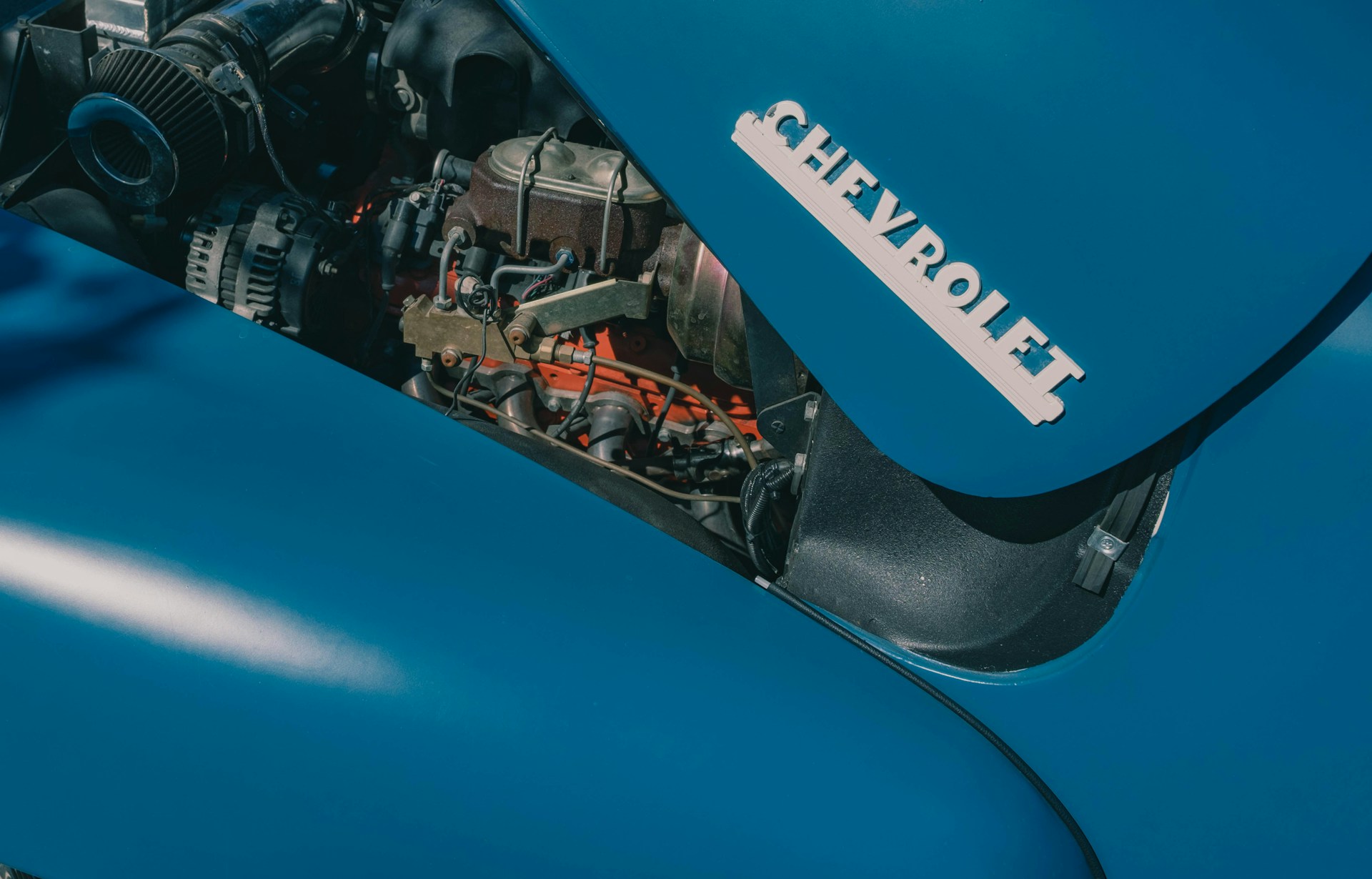
Preparing your Chevy for a road trip ensures you have a safe and enjoyable adventure. Long drives can put stress on your vehicle, so taking some extra steps before heading out can prevent unexpected hassles and keep your journey smooth. By checking a few key areas, you can hit the road with confidence.
Ensuring your car is in great shape involves more than simply fueling up. Paying attention to parts like fluid levels and tires is crucial. Well-maintained vehicles are not only safer but also more efficient, saving you time and stress during your travels.
Road trips are about creating fun memories, not dealing with car trouble. Thats why taking the time to ready your Chevy beforehand is a smart move. Lets look at some simple but vital steps to get your vehicle road trip-ready, ensuring it’s equipped to tackle whatever lies ahead. With these proactive measures, you’ll be on your way to a fantastic and worry-free trip.
Checking and Maintaining Fluid LevelsKeeping your fluid levels in check is one of the most crucial steps in preparing for a road trip. Cars rely on various fluids to function properly, and running low on any of them can cause serious issues. Before hitting the road, take some time to inspect and top off these essential fluids.
1. Engine Oil:Ensure that your oil level is adequate. Check it using the dipstick, and if it’s low, add the recommended oil type. An oil change might be due if its been a while since your last one.
2. Coolant:This fluid keeps the engine from overheating, which is vital during long drives. Check the coolant level in the reservoir and fill it up if necessary. A flush might be needed if the fluid appears dirty or rusty.
3. Brake Fluid:Essential for your brakes to function properly, this fluid needs to be at the right level. Low brake fluid can impact stopping power, so make sure its topped off.
4. Transmission Fluid:This fluid lubricates transmission parts. Check it with the engine running, and ensure its color is red or brown, indicating it’s in good condition.
5. Windshield Washer Fluid:On a road trip, dirty windshields can be a nuisance. Keep this fluid full so you can always maintain clear visibility.
Regularly checking these fluids ensures they are at optimal levels and in good condition, preparing your Chevy for any journey. Regular maintenance can prevent breakdowns and costly repairs, allowing you to focus on the fun of the trip.
Ensuring Tire Health and SafetyYour tires are literally where the rubber meets the road. They support your vehicle’s weight and are crucial for safety and fuel efficiency. Before setting off, take some time to ensure your tires are in top shape.
Start by inspecting tire pressure. An under-inflated or over-inflated tire can affect handling and mileage. Use a tire pressure gauge to check all four tires. Refer to your Chevy’s manual for the recommended pressure level and adjust as necessary.
Next, examine the tire tread. Worn-out tires dont provide adequate traction, especially on wet or slippery roads. Use the penny test to check tread depth: insert a penny into the tread with Lincoln’s head upside down. If you can see all of Lincoln’s head, it’s time to replace the tires.
Dont forget to check for visible damage. Look for cracks, bulges, or punctures that might cause problems. Any visible damage should be addressed by a tire professional.
Rotating your tires is another essential step. It evens out wear and tear, extending tire lifespan. Schedule a rotation if its been a while since the last one.
Finally, make sure you have a spare tire ready. Check that its inflated and in good condition, so youre prepared for unexpected flats.
Ensuring tire health and safety keeps you and your passengers safe and helps your Chevy handle long distances with ease. With these checks, you can travel with peace of mind.
Inspecting Brakes and Suspension SystemsBefore setting off on a road trip, make sure your Chevy’s brakes and suspension systems are in top condition. These systems ensure your vehicle handles well and stops safely, which is crucial for both short and long journeys.
Start by checking your brake pads and rotors. Worn-out brake pads can reduce your stopping power and cause damage to the rotors. Listen for any squealing or grinding noises during brakingthese sounds often indicate it’s time to replace the pads. Inspect the rotors as well; they should be smooth and free of any grooves or cracks.
Next, examine the brake fluid. Make sure its at the proper level and appears clean. Cloudy or discolored fluid may need replacement, as it can affect braking performance.
The suspension system also plays an important role in vehicle stability and comfort. Check for signs of worn shocks or struts, such as excessive bouncing after hitting a bump. Uneven tire wear can also indicate suspension issues.
Examine the steering components too. Make sure there is no excessive play in the steering wheel, as this can signal problems with tie rods or alignment.
By ensuring your brakes and suspension are in peak condition, you enhance the safety and comfort of your road trip, allowing you to drive with confidence and peace of mind.
Packing Essential Emergency SuppliesEven with all the preparation in the world, unexpected events can still happen. Thats why packing essential emergency supplies ensures youre ready for surprises along the way. Having the right items on hand can make all the difference if a problem arises.
Start with a well-stocked emergency kit. It should include items like:
- A flashlight with extra batteries
- First aid supplies
- Basic tools such as a screwdriver, pliers, and a wrench
- Jumper cables
- A tire pressure gauge and portable air compressor
Consider adding some roadside essentials as well. Reflective triangles or flares make you visible if you have to stop on the shoulder. A poncho and blanket can keep you dry and warm in case of severe weather.
Food and water are also vital. Non-perishable snacks and a few bottles of water can keep you comfortable and safe if youre stranded for a while.
Finally, include a list of important phone numbers, like roadside assistance or a trusted mechanic. Having these numbers handy can save time and stress if you need help.
Packing these essential supplies gives you an extra layer of protection and ensures youre prepared for any road trip mishap.
ConclusionGetting your Chevy ready for a road trip involves careful attention to multiple areas of your vehicle. By checking fluid levels, ensuring tire health, inspecting brakes and suspension, and packing emergency supplies, you set yourself up for a stress-free and enjoyable journey. These proactive steps enhance safety and performance, allowing you and your passengers to focus on making memories along the way.
As you prepare for your next adventure, visit Knapp Chevrolet to ensure your car is road trip-ready. As a trusted
Chevy dealer in Houston, we can help check your vehicle’s condition and offer advice on the best supplies and checks for your journey. Make your trip planning smooth and worry-free, knowing your Chevy is in the best hands. Stop by today to keep your road trips safe and memorable.
Connect with us


